Nassau Pirate Ruins: Tracing 17th-Century Caribbean History
"The salt air carries more than just the scent of the sea; it carries the echoes of a lawless age."
Exploring the remnants of a pirate past is about more than just looking at old stones; it is about understanding how a wild coastline shaped a nation. This guide provides a roadmap for tracing the legendary history of Nassau through its forts, harbors, and winding streets.
* Focus: A historical trekking itinerary centered on Nassau's maritime heritage. * Time Commitment: A half-day (4–5 hours) or a full-day excursion is recommended. * Pro Tip: Wear sturdy walking shoes for uneven terrain and brush up on local maritime history to truly appreciate the sights.

What secrets are hidden beneath Nassau's waves? On a sweltering July afternoon in 2026, walking through the narrow, sun-drenched alleys of Nassau feels like stepping through a rift in time. The uneven cobblestone streets underfoot catch the light, and as a salty breeze brushes against your skin, you might almost hear the creak of a wooden hull.
The popularity of this destination remains immense; according to World Bank data, the Bahamas recorded international tourist arrivals of 1,794,500 in 2020.
Nassau, the capital of the Bahamas, is far more than a tropical getaway; it was once a notorious "pirate republic." During the 17th and 18th centuries, as global powers fought for control over the Caribbean, Nassau became a perfect, hidden sanctuary for those flying the black flag.
Beneath the tranquil turquoise waters and modern luxury lies a layered history of rebellion, plunder, and survival.
Visitors often arrive looking for a beach, but they leave with a profound understanding of why these specific islands became the epicenter of global maritime conflict. When you walk these streets with an eye for history, the city transforms from a mere vacation spot into a living, breathing museum.
Let's dive into the hunt for the remnants of the Golden Age of Piracy.
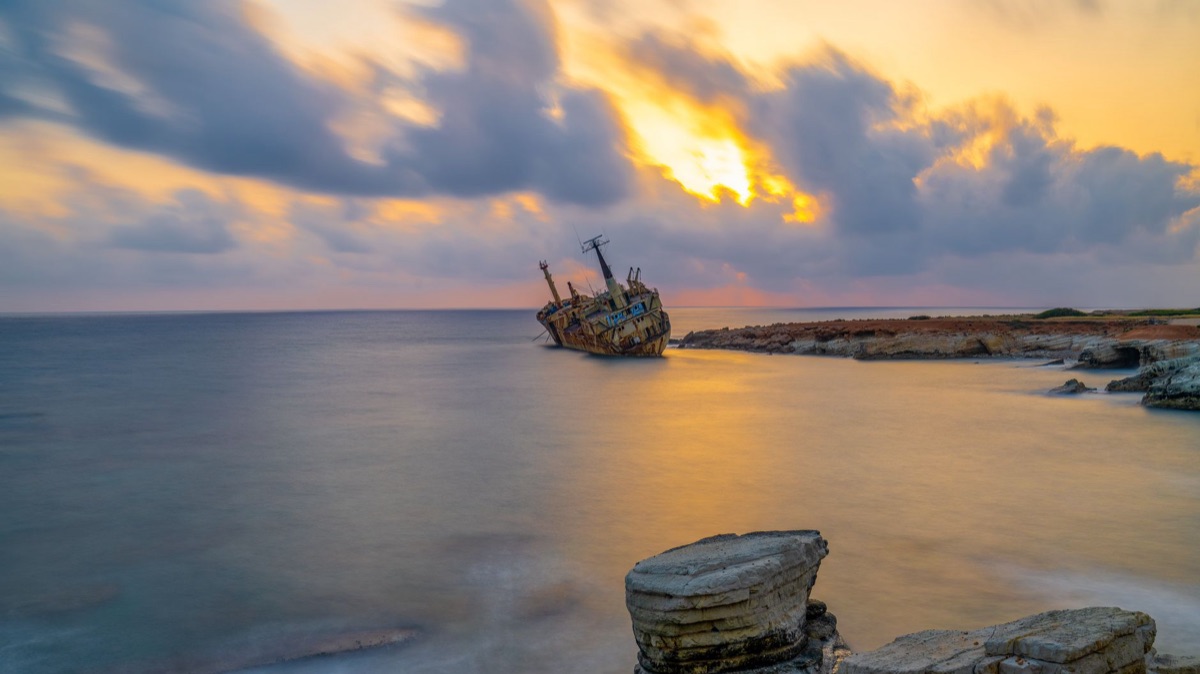
Where can I find the lost gold and raid traces? Under the intense heat of a 2026 summer sun, touring the ruins of Nassau feels like a journey back to the 1700s.
I remember running my hand along the rough, sun-warmed limestone of an old fortification; the grit of the stone felt like a direct connection to the soldiers and sailors who stood guard there centuries ago.
The first thing to look for is the defensive architecture. The forts built to protect the city from both rival nations and pirate raids are the most tangible links to this era.
Sites like Fort Fincastle or the various bastions around the harbor serve as vital reminders of the constant military tension that defined the islands.
Furthermore, the areas that once served as pirate havens are often located right next to today's bustling tourist districts. This creates a striking contrast between the rugged history of the past and the vibrant luxury of the present.
To truly experience these sites, you must look beyond the architecture and imagine how the geography was used for ambushes or quick escapes.
Here is a quick guide for planning your historical trek:
| Category | Details | Notes |
|---|---|---|
| Primary Targets | Forts, old harbors, historic streets | Primarily walking-based |
| Recommended Time | 9:00 AM to 2:00 PM | Best for morning light and heat management |
| Essential Gear | Sunglasses, hat, water, walking shoes | Protection from sun and uneven ground |
| Transport | Walking or local taxi | Walking is best for the old town |
But simply walking through the gates isn't enough to grasp the true weight of these locations.
Forts and harbors: The strategic heart of the pirate era
The sturdy stone structures lining the coast are the results of a desperate struggle for maritime dominance. Pirates relied on speed and maneuverability, often raiding merchant ships before disappearing into the complex cays and hidden inlets surrounding Nassau.
Sites like Fort Charlotte or the various battery positions offer a glimpse into the defensive strategies of the time. From the elevated heights of these forts, the view of the ocean is breathtaking, but historically, it was a vital vantage point for spotting approaching sails.
This geography explains exactly why pirates chose this location as a base of operations.
The old harbor areas also tell a different story—one of chaos and commerce. Unlike the organized cruise ports of today, the original harbor was a place where stolen goods were traded and sailors of every nationality converged.
Understanding this context turns a simple stroll into an exploration of a living historical battlefield.
When visiting these sites, keep these practicalities in mind:
- Footwear Safety: The stone paths and ruins can be uneven, slippery, or steep. High-traction walking shoes are non-negotiable.
- Check Access: Some fortifications or museum interiors may require specific hours or even advance booking for guided tours.
- Hydration: The Bahamian sun is relentless. Carrying a reusable water bottle is essential to prevent dehydration during long walks.
- Respect the Site: These are protected historical assets. Avoid climbing on fragile structures or leaving any marks on the stone.
The real challenge is how to organize these sights into a meaningful experience.
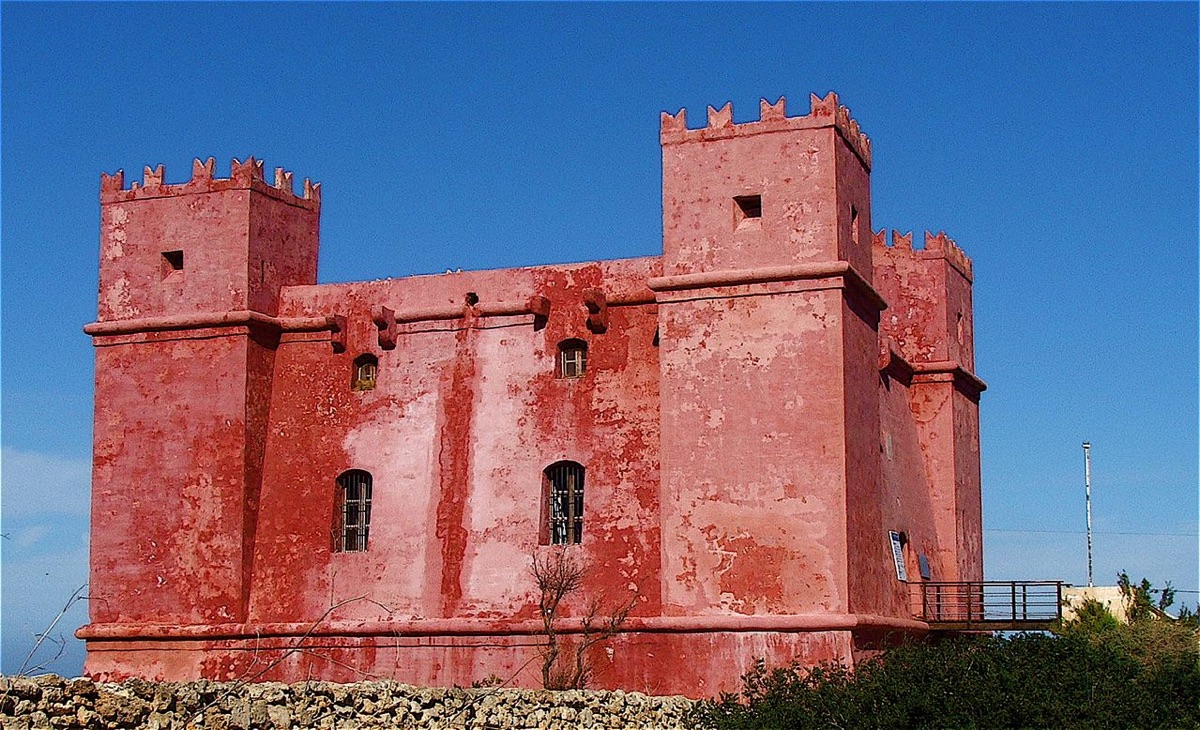
Connecting the dots: Nearby attractions and itinerary ideas
To make a 2026 trip to Nassau truly memorable, you need to balance historical exploration with relaxation. There is a specific kind of satisfaction that comes from spending a morning trekking through hot, dusty ruins and then finding relief in a cold drink by the water.
If you spend your morning exploring the forts and the historic downtown, your afternoon should ideally involve a visit to a museum or a local market.
The National Art Gallery of the Bahamas or local historical museums can provide the cultural context needed to make sense of the ruins you saw earlier in the day.
For those seeking a more active experience, you can connect your land-based history with the sea. Taking a boat tour through the very channels that pirates once navigated can make the history feel much more tangible.
Here are three ways to structure your journey:
* The History Buff Route: Morning Fort Tour → Local Lunch (try authentic conch salad) → Afternoon Museum & Historic Walking Tour. * The Maritime Adventure Route: Morning Fort Tour → Afternoon Boat Charter (snorkeling included) → Evening stroll through the harbor. * the Balanced Retreat Route: Morning Museum Visit → Afternoon Resort Relaxation → Evening Dinner by the water.
As you follow these paths, you will naturally encounter the next set of questions.
Capturing the moment: Photography and vistas
The most captivating moments of a historical tour often happen when you reach a wide-open vista. Standing atop a fort wall and looking out over the vast blue expanse of the Atlantic, you can see exactly why control of these waters was so fiercely contested.
At sunset, the light hitting the old stone walls creates a dramatic atmosphere that feels almost cinematic. These viewpoints are not just for pretty pictures; they allow you to physically experience the strategic advantages that shaped the islands' history.
When photographing these sites, try to capture the contrast between the weathered textures of the ruins and the vibrant colors of the sea. A shot that balances the ruggedness of a stone bastion with the soft horizon of the ocean can tell a much deeper story than a simple landscape shot.
| Site Type | Best Photo Spot | Desired Effect |
|---|---|---|
| Fort Walls | Looking out toward the coastline | Shows the strategic height and vastness |
| Historic Harbor | Framing boats against old structures | Evokes the era of maritime trade and raids |
| Detail Shots | Close-ups of weathered stone and textures | Captures the sense of passing time |
Ultimately, the success of the journey depends on how you process what you have seen.






Comments 0