6,000 sq km Andros: Balancing Past Industry & Future
"The ocean gives, and the ocean takes; for generations, the divers of Andros lived by the rhythm of the tide and the harvest of the sea."
To understand the soul of the Bahamas, one must look beyond the luxury resorts of Nassau and toward the rugged, sprawling expanse of Andros.
* The sponge industry was a foundational, yet extractive, economic pillar for the people of Andros. * The island's massive geography and the presence of the sixth-longest barrier reef create a unique but vulnerable ecological setting. * Modern environmental pressures necessitate a transition from historical extractive practices to sustainable tourism. * The interplay between deep history and fragile ecology defines the modern visitor experience in the Out Islands.
What makes Andros Island's geography so unique? The morning sun hits the water at a sharp angle, turning the turquoise shallows into a sheet of hammered silver as a small boat cuts through the wake. To the east, the massive structure of the reef looms beneath the surface, a hidden wall of life that defines the very shape of the land.
According to World Bank data, the Bahamas recorded international tourist arrivals of 1,794,500 in 2020.
Geographically, North Andros stands as a giant in the archipelago, serving as the sixth-largest island in the West Indies.
It covers an area of roughly 6,000 square kilometers (2,300 square miles), stretching 167 kilometers (104 miles) in length and reaching a width of 64 kilometers (40 miles) at its widest point. It is a massive landmass, ranked as the 153rd largest island on Earth.
The defining feature of this landscape is the Andros Barrier Reef. This massive natural structure runs along the eastern side of the island for approximately 225 kilometers (140 miles), maintaining an average distance of 2 to 3 kilometers (1 to 2 miles) from the shore.
This reef is not just a scenic backdrop; it is the sixth-longest coral reef in the world, acting as both a shield for the island and a sanctuary for marine life.
Located 50 kilometers (30 miles) west of Nassau across the deep waters of the Tongue of the Ocean, Andros offers a starkly different environment than the capital.
While Nassau is characterized by urban density, Andros is a sprawling expanse of subtropical forests, wetlands, and unique flora, including various wild orchids that thrive in the humidity.
But the sheer scale of this beauty masks a complicated history of how humans have interacted with these waters.
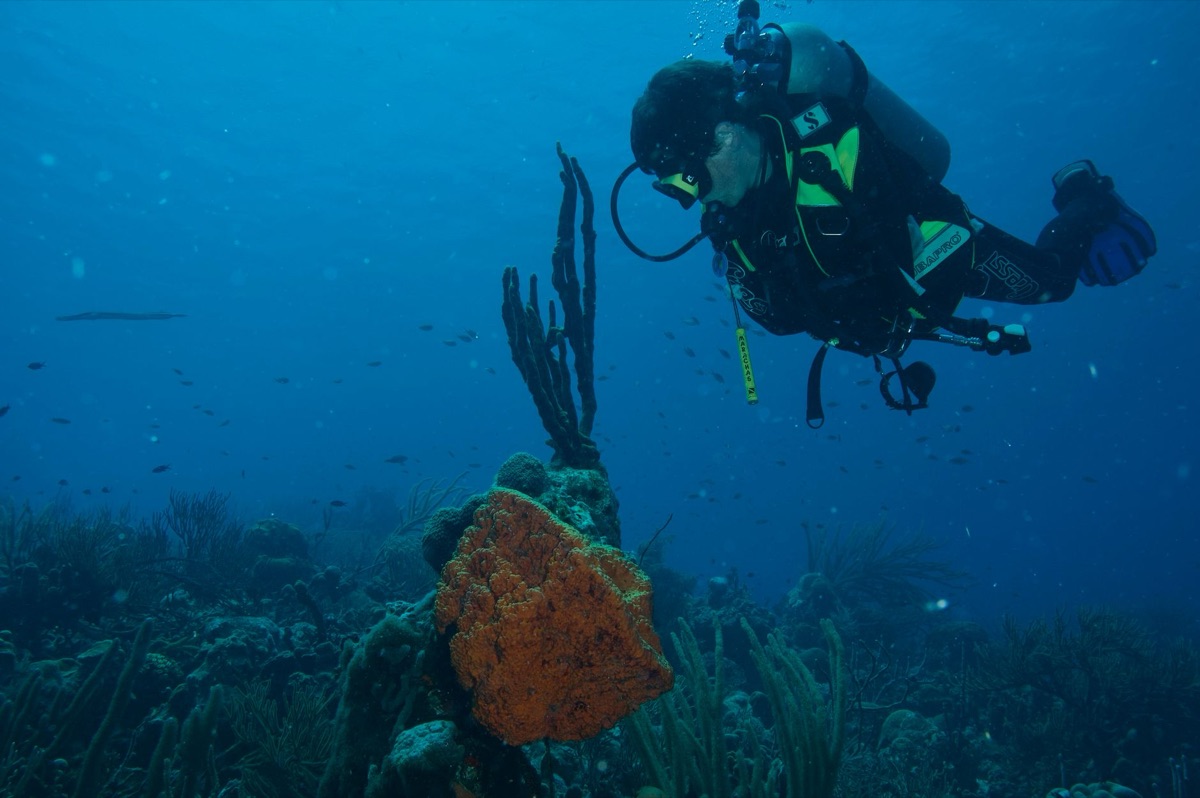
How did the sponge industry rise and take charge? Salt spray stings the eyes at dawn as the diver plunges into the deep blue, leaving only a trail of bubbles behind.
A diver disappears beneath the swell, leaving only a లే trail of bubbles that catch the light before vanishing into the deep blue. For decades, this was the daily reality for many families on Andros, where the harvest of the sea was the difference between prosperity and hardship.
Historically, the sponge industry was the lifeblood of the local economy. Before the advent of large-scale international tourism, the collection of natural sea sponges provided a primary source of income for many Bahamian families.
This was an extractive industry that required deep knowledge of the sea, physical courage, and an intimate understanding of the reef's seasonal cycles.
The mechanics of the industry involved divers descending to harvest natural sponges from the seabed. While it provided a vital economic driver that allowed communities to flourish, it was also a highly extractive practice.
The industry relied on the health of the reef and the abundance of specific sponge species, creating a direct link between the economic survival of the islanders and the biological health of the marine environment.
As the global market for natural sponges shifted and the ecological impact of over-harvesting became clearer, the industry began to wane. This transition forced a period of profound economic reflection, setting the stage for the modern era of the Bahamas.
However, the shift wasn't just about money; it was about survival against a changing planet.
Environmental Pressures and Modern Challenges
The wind picks up suddenly, turning the calm turquoise water into a churning grey as the sky darkens over the horizon. For those living on a low-lying island, the sound of a rising storm is a reminder of the constant negotiation between land and sea.
The very geography that makes Andros magnificent also makes it vulnerable. Because of its size and its relationship to the open ocean, the island is susceptible to severe weather events.
Hurricanes can cause catastrophic damage to both the terrestrial ecosystems and the fragile coral structures of the barrier reef.
Climate sensitivity is a constant factor in the region. Changes in water temperature and ocean acidity directly impact the health of the reef, which in turn affects the entire food chain.
The historical reliance on the sponge industry was a precursor to this modern struggle: the tension between using natural resources for immediate survival and the need to protect those resources for the future.
Today, the challenge is to find a balance. The transition from an extractive industry to a sustainable one is not just an economic necessity but an ecological one.
Protecting the reef—the very thing that once provided the sponges—is now essential for protecting the island from storm surges and maintaining biodiversity. But how does a community move from harvesting the sea to protecting it?
Navigating the Present: Andros in the Modern Bahamas
A traveler steps off a small propeller plane, breathing in the scent of salt air and damp earth, far removed from the bustling cruise terminals of Nassau. The transition from the old ways to the new is visible in every local shop and every tour boat.
The economic landscape of Andros has undergone a significant shift. While the sponge industry has receded into history, it has been replaced by a growing focus on eco-tourism and specialized travel.
Visitors now come to see the very reefs that once provided their livelihood, engaging in snorkeling,ly, diving, and birdwatching instead of harvesting.
Accessibility has also evolved. While the island remains more remote than the capital, modern flight schedules and deep-sea travel allow visitors to reach these wilder reaches of the Bahamas.
This connectivity allows for a controlled influx of tourism that can support the local economy without the same level of environmental pressure seen in more developed hubs.
For the modern visitor, the experience is one of discovery. They interact with a living history, seeing how a community that once relied on the sea for extraction has learned to live in harmony with it through conservation and sustainable engagement.
How to Experience Andros Sustainably
When I first visited the North Andros docks in the early morning of 2025, I watched a local guide explain how they transitioned from sponge fishing to reef photography. It wasn't just a change in job; it was a change in how they viewed the water.
To do this right, you need a plan that respects the environment.
If you are planning a trip to the Out Islands, follow these steps to ensure your visit supports the local ecosystem:
- Book Local Guides: Instead of large tour companies, hire independent guides from Andros who have generational knowledge of the reef.
- Use Reef-Safe Sunscreen: Ensure all products you bring are biodegradable to prevent chemical damage to the coral during snorkeling.
- ly, 3. Respect No-Take Zones: Always check local maritime regulations regarding fishing and harvesting boundaries before heading out on a boat.
- Minimize Single-Use Plastics: Bring reusable water bottles and gear to reduce the waste that often ends up in the sensitive wetland areas.
While these steps help, it is important to remember that eco-tourism is not a perfect solution. High volumes of visitors, even well-meaning ones, can still cause physical damage to coral and disturb local wildlife. The goal is mitigation, not total elimination of impact.
#




Comments 0