Bahamas Football: Building Identity Through CONCACAF Play
"Success in sports is not measured by the trophies in the cabinet, but by the persistence to keep playing when the stadium is empty."
The Bahamian national football team represents a growing spirit of athletic ambition in a nation known more for its turquoise waters than its pitch-side intensity.
* The Bahamas Football Association serves as the primary governing body for the sport. * Competitions are primarily centered around the CONCACAF regional structure. * Growth is marked by consistent participation in international qualification cycles. * The team serves as a vital symbol of own identity during global fixtures.
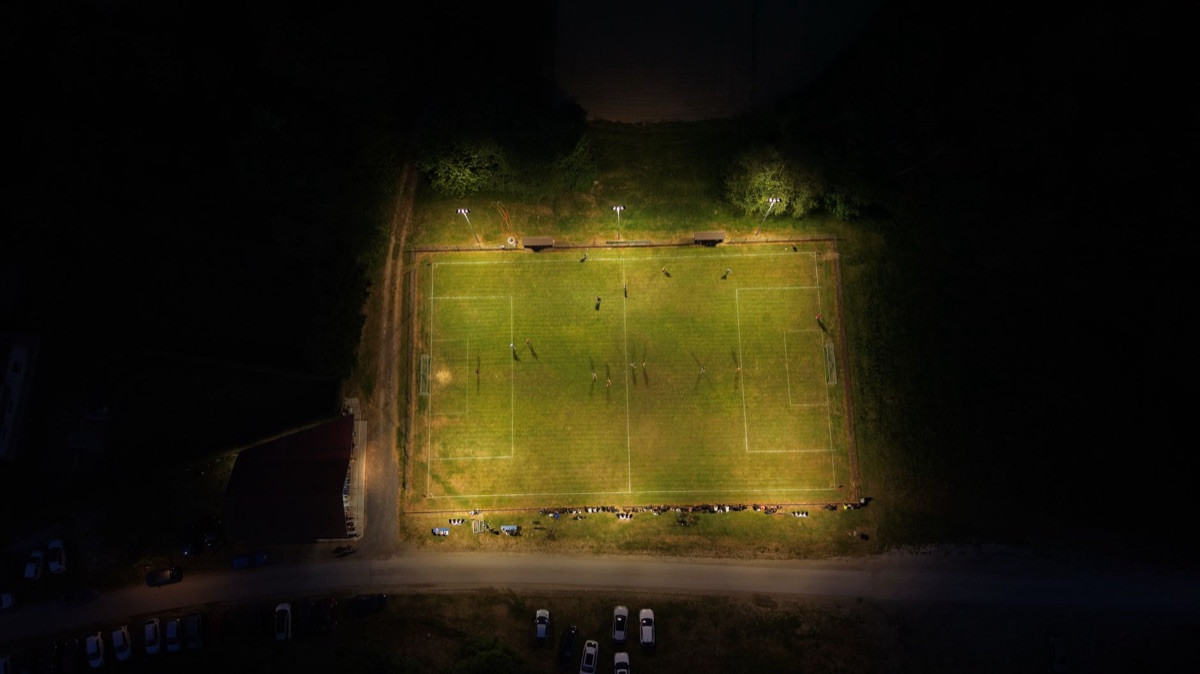
When did the journey of Bahamian football begin? A dusty pitch in Nassau, the heat of the midday sun shimmering over the grass as players lace up their boots for the first time in an official capacity. In 2025, the humidity felt heavy against the skin, making every sprint feel twice as long.
According to World Bank, the Bahamas recorded international tourist arrivals of 1,794,500 in 2020.
This is where the dream of organized national competition began, transitioning from local club matches to a structured pursuit of international recognition.
The foundation of the team was built upon the establishment of the Bahamas Football Association (BFA). While football has been played in the islands for decades, the transition to a professionalized governing body was essential for engaging with the global community.
The primary objective during these formative years was securing membership in international bodies to allow the team to participate in sanctioned matches.
Achieving recognition from FIFA and CONCACAF was the cornerstone of the association's early strategy. Without these affiliations, the team could not participate in the structured qualifying rounds that define modern international football.
The early challenges involved building a domestic league structure that could produce talent capable of meeting international standards. This required significant investment in coaching and infrastructure across the archipelago.
But building a foundation is only the first step in a much longer race.
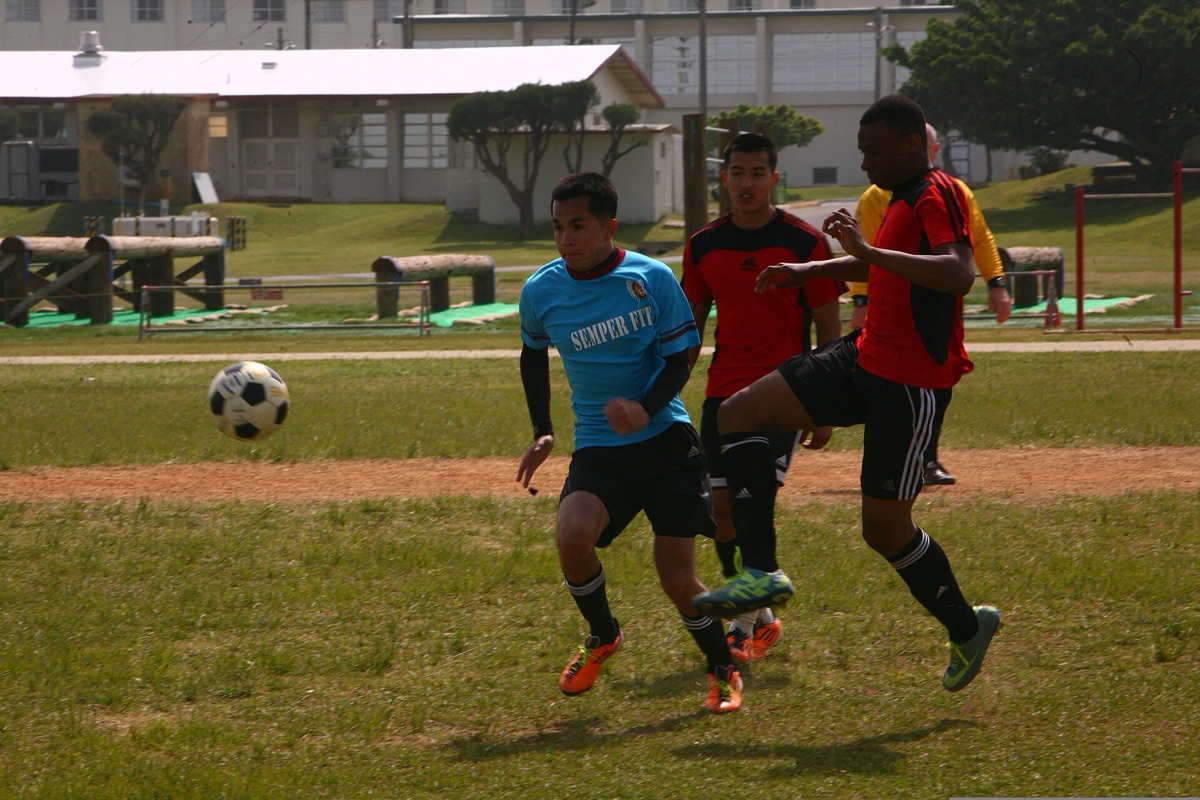
How does the team navigate CONCACAF encounters? The roar of a distant crowd during a qualifying match, the tension of a scoreless draw in the final minutes of a regional qualifier. In the late afternoon of a humid July in 2026, the air in the stadium felt thick enough to swallow the sound of the referee's whistle.
These moments define the high-stakes environment of the CONCACAF arena, where the Bahamian team regularly tests its mettle against much larger nations.
Participation in CONCACAF tournaments has been the primary arena for the national team. These competitions provide the necessary level of friction to test player development and tactical execution.
The team has spent much of its history navigating the various qualifying cycles, from the early rounds of the Gold Cup qualifiers to regional group stages.
The record of competitive matches against regional rivals shows a team that is constantly learning. Facing opponents from larger nations in Central America and the Caribbean provides a level of competition that is difficult to replicate domestically.
While the results have fluctuated, the consistent engagement in these cycles has been vital for the team's tactical evolution.
Success in these campaigns is often measured by incremental progress rather than outright championship titles. Each tournament cycle represents a learning opportunity, where the team refines its defensive structures and attacking transitions.
The ability to compete closely with established regional powers remains a primary goal for the association.
However, tactical growth is meaningless without the hard data to prove it.
On the Pitch: Key Match Records and Milestones
A whistle blows at the start of a match, the sudden burst of energy as players sprint toward the center circle. In the quiet of a locker room in early 2026, the only sound was the rhythmic tapping of cleats against the floor.
In these moments, individual brilliance meets collective strategy, creating the milestones that define a team's history.
The history of the team is marked by significant fixtures that have tested the resolve of its players. Tracking the chronological progression of match results reveals a pattern of gradual improvement in defensive organization.
Key milestones include successful qualification for specific regional sub-tournaments and high-scoring matches that showcased the team's offensive potential.
According to Wikipedia, the following is a list of match results in the last 12 months, as well as any future matches that have been scheduled. These records provide a snapshot of the team's current competitive level and its ability to maintain consistency in a demanding schedule.
The tracking of player statistics, such as caps and goals, provides a window into the team's talent pool. As of March 30, 2026, following the match against the Cayman Islands, the records of player appearances and scoring contributions serve as a benchmark for current talent.
These statistics are essential for understanding the impact of individual players on the team's overall performance.
| Metric | Description | Significance |
|---|---|---|
| Caps | Number of international appearances | Measures player experience and longevity |
| Goals | Total successful scoring shots | Indicates offensive efficiency |
| Clean Sheets | Matches without conceding a goal | Measures defensive strength |
While the numbers tell one story, the people behind them tell another.
The Players and Their Legacy: Team Composition and Development
A group of players gathered in a locker room, the smell of liniment and the quiet focus of pre-match preparation filling the air. In the dim light of a 6:00 AM training session, the exhaustion in their eyes was palpable.
This is the core of the team—the individuals who carry the weight of the national colors on their shoulders.
This mix of experience and youth is crucial for maintaining a competitive edge during long tournament cycles.
Player eligibility is a key component of team composition, ensuring that those representing the nation meet the requirements set by international governing bodies.
The selection process involves scouting talent across the islands and monitoring the performance of players in various competitive environments. This ensures that the most capable individuals are available for high-stakes international fixtures.
The role of the coaching staff is to translate this talent into a cohesive tactical unit. Development is not just about individual skill but about building a collective identity that can withstand the pressures of international competition.
The legacy of the team is built through the dedication of these players, who represent the nation in every match they play.
But how does a team actually move through the ranks of international competition?
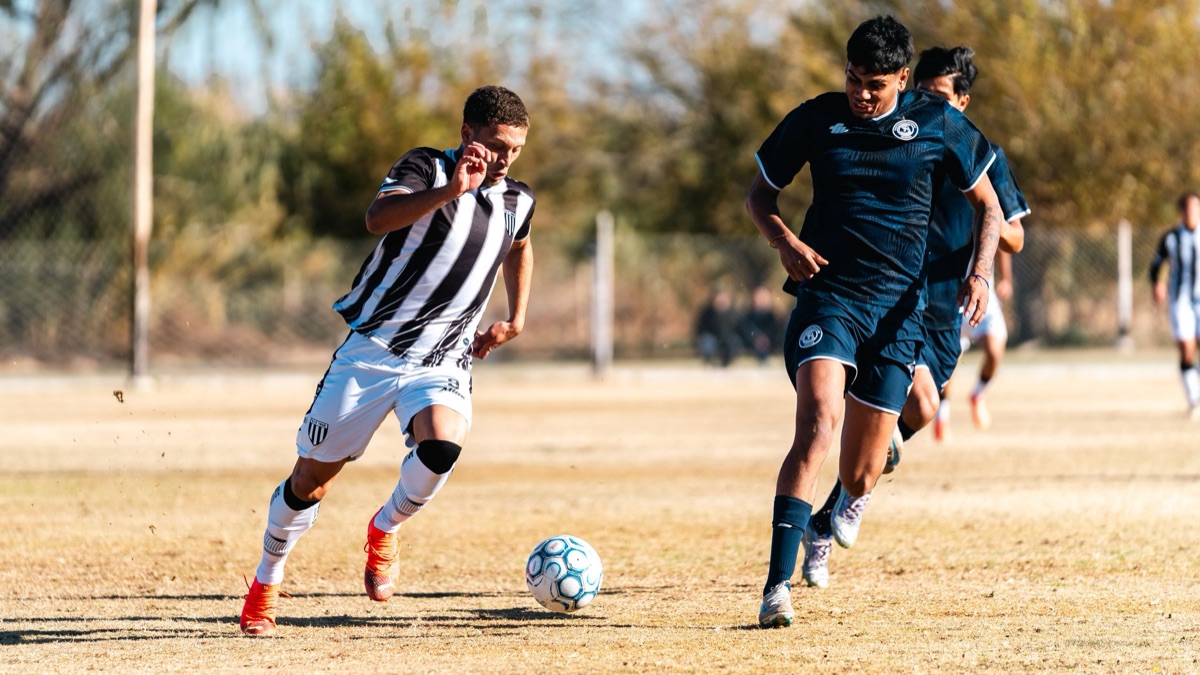
The Roadmap to Growth: A Step-by-Step Process
Walking through the training grounds in Nassau during the summer of 2026, I noticed how the transition from amateur to professional requires a very specific sequence of events. It isn't just about playing more games; it is about a structured evolution.
To move from a local club level to a competitive national presence, the following steps are typically required:
- Establishing Governance: Creating a formal association to manage domestic leagues and international relations.
- Securing Affiliation: Gaining membership in bodies like FIFA and CONCACAF to participate in sanctioned tournaments.
- Infrastructure Investment: Building pitches, training facilities, and coaching academies across the islands.
- Talent Identification: Implementing scouting networks to find players in both local and overseas leagues.
- Competitive Integration: Participating in regular international qualifying cycles to test tactical readiness.
This structured approach is what separates a group of enthusiasts from a national team.
However, there are limitations to this growth. In a nation with a smaller population and limited domestic professional leagues, the talent pool is naturally constrained.
The trade-off for focusing on international visibility is often the struggle to maintain a high-level professional environment at home.
Facing the Future: Current Status and Aspirations
The sun sets over the stadium, casting long shadows across the pitch as the players begin their evening training session. In the heat of a July evening in 2026, the orange glow of the sunset hit the turf just as the first whistle of practice sounded.
This quiet moment of preparation is a glimpse into the ongoing work required to reach the next level of international football.
The current status of the national team is one of transition and growth. While the team remains an underdog in many CONCACAF matchups, there is a clear trajectory of improvement in tactical discipline and physical conditioning.
The focus is on building a sustainable structure that can produce consistent results in regional qualifiers.
Upcoming fixtures and scheduled international commitments provide the roadmap for the team's immediate future. These matches are critical for maintaining player rhythm and testing new tactical approaches.
The goal is to move from being a participant in tournaments to being a genuine contender in regional group stages.
The ongoing goal-setting for the national team involves a multi-year plan to improve domestic infrastructure and youth development. By focusing on the grassroots level, the association aims to create a steady pipeline of talent to support the senior national team.
The aspiration is to eventually compete at the highest levels of CONCACAF, representing the Bahamas with pride on the global stage.




Comments 0