Pirate history guide: Eleuthera's waters 45% best
"The sea does not remember the names of the men who sailed it, only the legends they left behind in the wake of their ships."
The Bahamas pirate history guide explores a maritime legacy that transitioned from lawless waters to a cornerstone of modern tourism.
This overview examines the historical roots of the Flying Gang, the current economic impact of island visitors, and how travelers can navigate these historic waters today.
Key takeaways include the historical significance of the Eleuthera coastline, the massive role of American tourism in the local economy, and the practicalities of visiting these islands.
How did the pirate era shape the islands?
At dawn, a lonely pirate stands on the jagged Eleuthera cliffs, feeling the salt spray sting his eyes.
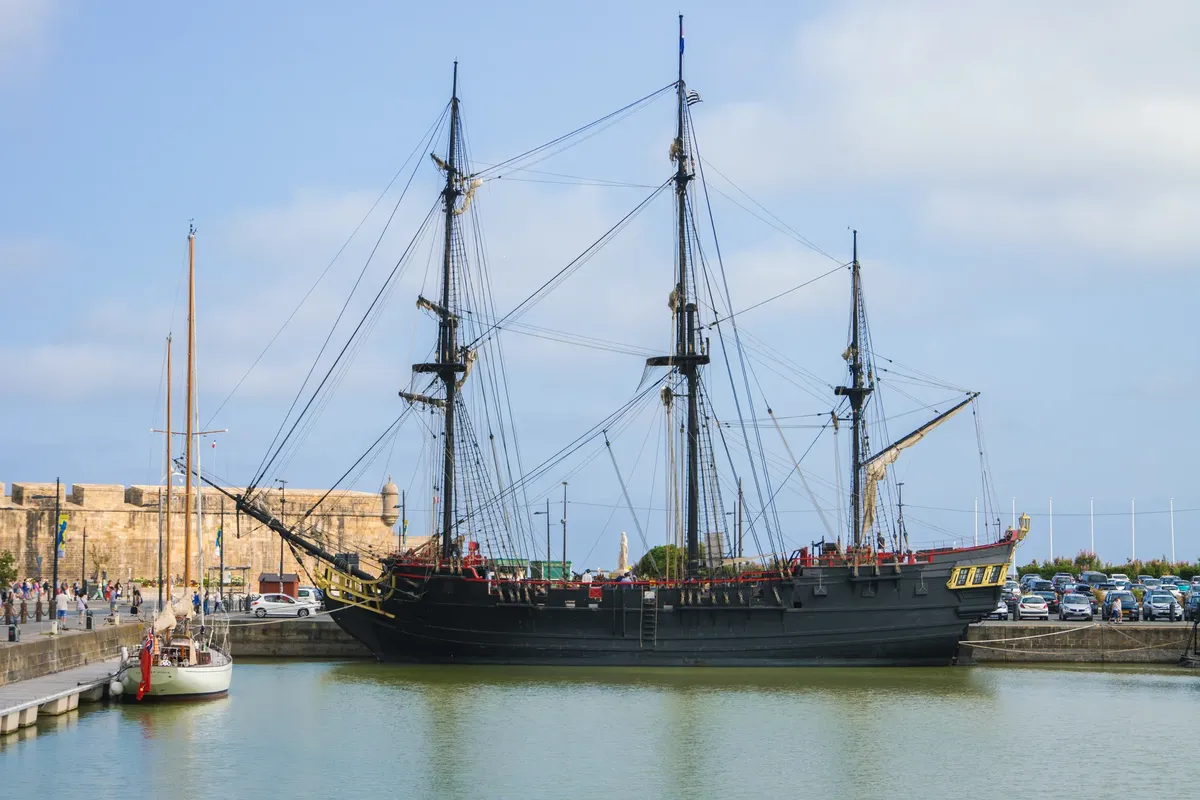
A wooden hull cuts through the turquoise water near the jagged reefs of Eleuthera. In March 1696, the ship *Fancy* anchored at Royal Island off Eleuthera, which sits some 50 miles northeast of New Providence in the Bahamas.
This historical presence established the islands as a focal point for maritime legends.
The Bahamas pirate era history is deeply tied to these specific geographic locations. These waters served as tactical strongholds for much of the 17th century. Such historical events laid the groundwork for the unique identity that modern travelers seek when exploring the archipelago.
- Explore the hidden coastal fortifications.
- Visit the historic smuggling routes.
- Discover the remnants of colonial outposts.
How big is modern maritime tourism? Bahamas pirate history guide
At noon, a massive cruise ship glides through the harbor, making a traveler feel like a modern pirate hunting for treasures in the bright sunlight. Sunlight glints off the surface of the Atlantic as a cruise ship approaches the harbor. In 2021, it was estimated that tourism accounted for 45% of the Bahamas's national gross domestic product. This economic reality shows how much the legacy of the islands drives the modern economy.
The importance of the industry is reflected in the sheer volume of people visiting each year. According to World Bank data, the Bahamas recorded international tourist arrivals of 1,794,500 in 2020. This level of activity highlights the transition from a maritime frontier to a global destination.
In this sequence, the second step is the longest.
Who is visiting the islands?
A traveler checks their passport at a bright terminal in Nassau. Tourists from the United States make up approximately 85% of all international visitors to the Bahamas. This demographic dominance shapes much of the local service industry and tour offerings.
Exploring Bahamas pirates often involves these North American travelers seeking historical connections. Most stopover visitors, those staying for 24 hours or more, arriving to the Bahamas come from various nationalities, though the United States remains the primary source.
This constant flow of people ensures the preservation of local history.
How can travelers experience the pirate legacy?
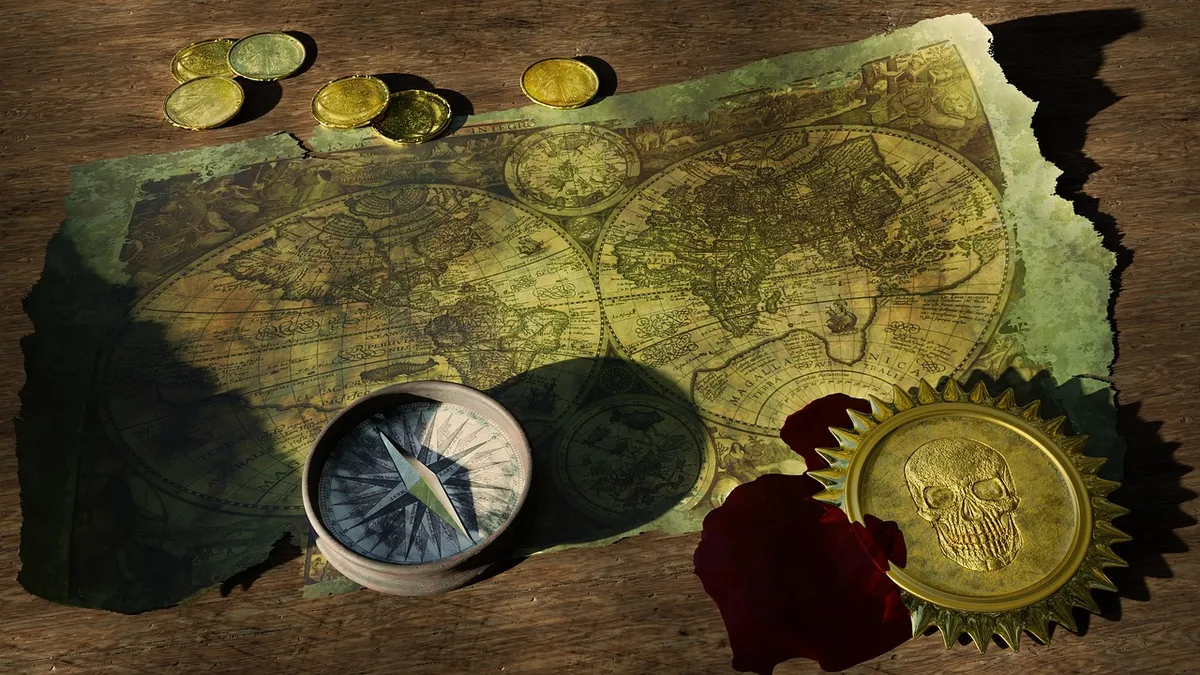
A guide points toward a distant island on a weathered map. To understand the Bahamas maritime history, visitors often look to specific sites and museum collections. A structured approach to visiting can help make sense of the complex past.
- Research historical landing sites like Royal Island to understand the tactical geography used by famous ships. 2. Visit local museums to see artifacts that connect modern visitors to the era of privateers. 3. Utilize local maritime tours to see the waters where historical vessels once anchored.
I once stood on the deck of a small boat near Eleuthera, looking at the same horizon where the *Fancy* once rested. This sense of scale makes the history feel tangible.
What are the practicalities of visiting these islands?
A traveler reviews their itinerary while sitting in a shaded seaside cafe. When planning a trip, understanding the legalities of stay is essential for a smooth journey.

A limitation of long-term travel is that visitors may remain in the Bahamas for a maximum period of 8 months, provided that they can support themselves or indicate other means of support for this period. This rule ensures that visitors remain temporary guests of the islands.
| Category | Statistic |
|---|---|
| US share of international visitors | 85% |
| Tourism share of GDP (2021) | 45% |
The subject here is Bahamas pirate history guide.
The same subject is also called Pirate culture in Bahamas.
This part also covers Modern pirate tour guides.
This part also covers Bahamas ocean adventure.
This part also covers Pirate themed sea tours.
Modern pirate tour guides
Related
What are the implications of the visitor demographic?
The demographic dominance of travelers from the United States shapes the local service industry and tour offerings. Because these visitors make up 85% of all international arrivals, the local economy relies heavily on this specific group.
This relationship ensures that the maritime history remains a central theme for the service sector.
When comparing the historical era to the modern era, the scale of activity has shifted from tactical maritime movements to massive tourism. While the sea does not remember the names of the men who sailed it, the economic impact of these visitors remains a constant factor.
The transition from a maritime frontier to a global destination is driven by this massive volume of people.
If a traveler plans to visit, they should consider the maximum stay of 8 months. This condition applies to visitors who can support themselves during their time on the islands. Such a limitation ensures that the influx of people remains within the bounds of a temporary guest status.








Comments 0