90 Years of Rhythm: Understanding Junkanoo's Deep Roots
"The rhythm of the drums doesn't just shake the air; it vibrates in your very bones, telling a story of survival and joy that predates the luxury resorts."
To truly understand the Bahamas, you must look past the turquoise waters of Exuma and the marble lobbies of Nassau to find the heartbeat of the people. The Junkanoo festival is that heartbeat—a loud, colorful, and profound expression of Bahamian identity.
* The festival is a living history of resilience, merging African roots with Caribbean ingenuity. * It is a sensory explosion of handcrafted costumes, goat-skin drums, and synchronized dancing. * For travelers, attending is a transition from being a mere observer to witnessing a profound community ritual.
What is the Junkanoo Festival and Why Does it Matter?
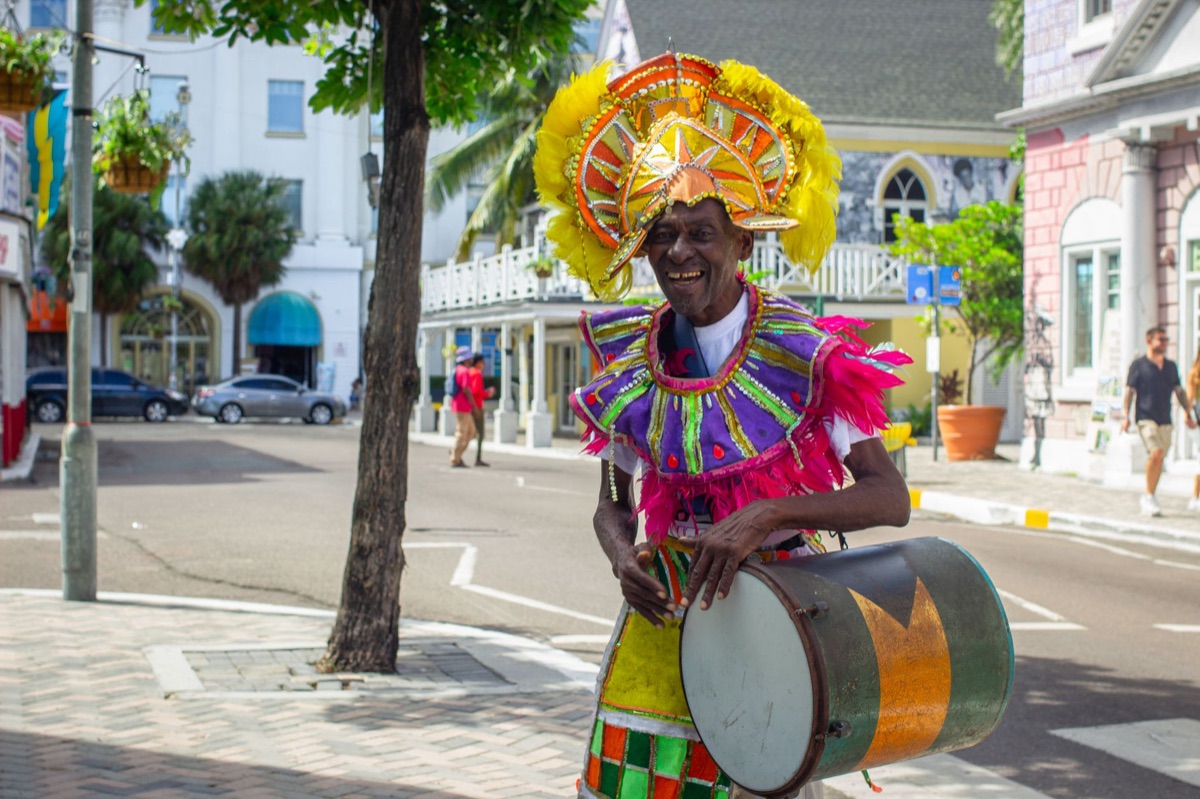
The air in downtown Nassau feels heavy with the scent of salt spray and anticipation as the first distant thump of a drum rolls through the streets. You see a group of neighbors huddled around a brightly colored workshop, their hands stained with glue and glitter, eyes bright with a shared purpose.
The festival, known locally as Junkanoo, is much more than a parade; it is a profound reclamation of identity. While its origins are tied to the history of enslaved people finding momentary freedom during the Christmas season, it has evolved into a year-round symbol of national pride.
It represents the "Bahamian Spirit"—a blend of resilience in the face of Atlantic storms and a rhythmic, unbreakable joy.
Unlike a staged performance, Junkanoo is a community pillar. It is the culmination of months of secret preparation, where families and neighborhood groups work together to build massive, intricate costumes from cardboard,와 crepe paper, and wire.
This collective effort mirrors the interdependence required for island life, where neighbors rely on one another for everything from boat repairs to hurricane preparation. To hear the brass bands and the goatskin drums is to hear the pulse of a nation that refuses to be silenced by history.
But how do you actually navigate such a massive, loud, and unpredictable event without getting lost in the crowd?
How do I truly immerse myself in the festival? A traveler stands on a street corner in late December, clutching a warm drink as the sun begins to dip. The transition from the quiet of the morning to the sudden, electric surge of a marching troupe creates a momentary gasp of breath.
If you are planning to witness this spectacle, timing is everything. While there are various cultural celebrations, the massive Junkanoo parades take place during the Christmas and New Year period.
The most famous parades happen in the early morning hours of Boxing Day and New Year's Day, often starting well before sunrise to catch the cool air and the peak energy of the performers.
To truly experience the festival, you must look for the details. Watch the way the dancers move in perfect synchronization with the "riddims" of the drums. Look closely at the costumes; they are masterpieces of geometry and color, often weighing significantly due to the layers of handcrafted detail.
When attending, remember that you are a guest in a sacred cultural space. While the atmosphere is festive, it is also a deeply personal event for the participants.
* Respect the Process: Avoid walking through the middle of a troupe while they are setting up or moving in formation. * Photography Etiquette: It is generally acceptable to take photos, but always be mindful of the dancers' space. If a performer is in a heavy, elaborate costume, they may need more room to maneuver than a casual tourist realizes. * Attire Advice: Wear comfortable, closed-toe walking shoes. You will likely be standing on pavement or uneven streets for long periods. Light, breathable clothing is best, but bring a light jacket for the early morning festivities.
When I stood on the edge of a crowded street in Nassau in late 2025, I realized that no amount of preparation could truly ready me for the sheer volume of the drums. It was a physical force that hit my chest before it hit my ears.
But even with the right shoes and a jacket, you might still find yourself feeling like an outsider. What is the real difference between a tourist and a participant?
What is life like in the Bahamas outside the festival? The smell of fried conch wafts from a roadside stand, mixing with the salty breeze. You sit on a wooden bench, watching a local family share a large platter of food, their laughter punctuating the ambient noise of the bustling market.
According to World Bank, the Bahamas recorded international tourist arrivals of 1,794,500 in 2020.
The spirit of Junkanoo is mirrored in the daily life of the islands. Just as the festival requires intense, synchronized teamwork, the rhythm of Bahamian life often revolves around the sea and the community.
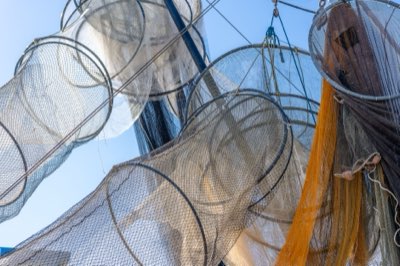
The same dedication seen in a costume-making workshop is found in the way local fishermen prepare their boats or how families organize around seasonal changes.
The culinary connection is also vital. During festive periods, food is a central pillar of celebration. You will often find traditional dishes like conch fritters, peas 'n rice, and various seafood stews serving as the fuel for both the revelers and the spectators.
The communal eating that happens during these times reflects the social cohesion that makes the festival possible. It is a reminder that in the Bahamas, joy is rarely a solitary pursuit; it is something shared at a table or in a street procession.
If you want to transition from a spectator to a true traveler, you need a plan.
Junkanoo vs. Tourist Experience: Authenticity Check
A luxury cruise ship docks in the harbor, and a group of passengers in pristine white linen walks toward the pier. They look toward the colorful crowds, seeing a spectacle that feels almost like a movie set, detached from the reality of the streets.
It is easy to mistake Junkanoo for a mere "tourist attraction," but that is a fundamental misunderstanding. While the government and tourism boards certainly celebrate it, the heart of the event belongs to the local people.
A curated tourist snapshot might capture a pretty costume, but it misses the sweat, the months of labor, and the ancestral weight behind the music.
To move from being a mere observer to a genuine participant, you must engage with the local context. This means learning the history of the songs, understanding the significance of the drum patterns, and recognizing that you are witnessing a living tradition rather than a staged show.
| Feature | Standard Tourist Attraction | Junkanoo Festival |
|---|---|---|
| Primary Purpose | Entertainment & Recreation | Cultural Expression & Identity |
| Preparation | Set schedules and staff | Months of community labor |
| Atmosphere | Controlled and predictable | Spontaneous, loud, and energetic |
| Engagement | Passive observation | Active, sensory immersion |
To maximize your visit, try to visit local museums or cultural centers in Nassau before the parade to understand the historical context of the masks and music. This preparation turns a loud parade into a profound historical narrative.
But how do you balance this intense energy with a relaxing vacation?
Planning Your Bahamian Journey: Integrating Culture
A traveler looks at a map of the islands, weighing the choice between a quiet villa in Eleuthera and the vibrant energy of a luxury hotel in Nassau. They realize that a perfect trip requires both the stillness of the ocean and the roar of the crowd.
When planning your trip, consider how much "cultural weight" you want to carry. If you are visiting during the holiday season, you can integrate the high-energy Junkanance with more relaxed activities like snorkeling in the Exumas or visiting the pink sands of Eleuthera.
A well-structured itinerary balances the intensity of the festival with periods of recovery. If you attend a midnight or early morning parade, plan for a slow morning of relaxation by the water.
To make the most of your time, follow this checklist:
- Research the Parade Schedule: Check local news in late 2025 or early 2026 to confirm specific start times for Boxing Day versus New Year's Day.
- Book Accommodations Early: Because the festival draws massive crowds, book your Nassau hotel at least six months in advance to secure a central location.
- Pack for Versatility: Bring light linens for the daytime heat and a sturdy jacket for the pre-dawn parade hours.
- Hydrate and Fuel: Keep water and easy-to-carry snacks on hand; the energy required to walk the parade routes is significant.
- Plan a "Recovery Day": Schedule a low-activity day immediately following the New Year's parade to rest and reflect.
While a trip to a private island offers luxury and isolation, a trip centered around Junkanoo offers connection and soul. Most travelers find that the most memorable trips are those that include both.
#

Comments 0