Bahamas early history: 800 mm Lucayan people era guide
"The history of these islands is a story of shifting tides and changing hands, moving from the first inhabitants to a complex colonial legacy."
This article explores the transition from the Lucayan people era to the colonial period shift. We will examine the fundamental shifts in settlement, the demographic changes that shaped the modern population, and the geographic realities of the archipelago.
* Understanding the Lucayan people era and their relationship with the islands. * Tracing the island settlement change through colonial expansion. * Recognizing the demographic legacy of early settlers. * Observing the geographic influence on habitation.
How did the Lucayan people era shape the islands?
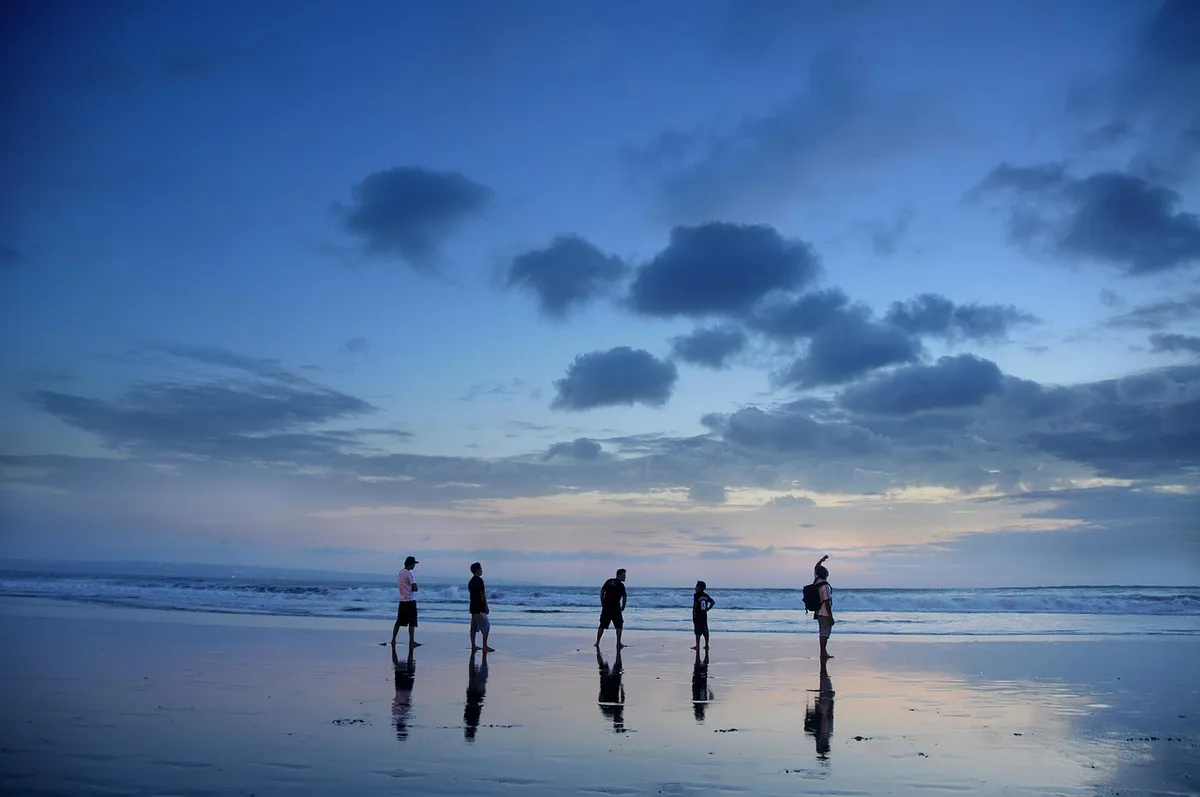
At dawn, a Lucayan fisherman pulls a heavy net from the warm waves of the Bahamas, feeling the salt spray sting his skin.
A small group of people navigates a wooden canoe through the turquoise waters of the archipelago. They find refuge in the natural structures of the islands, leaving behind a legacy that predates modern history.
The Lucayan people era represents the first chapter of human presence in the region. These early inhabitants utilized the natural resources of the islands to establish a way of life long before European contact.
Their presence established the initial patterns of movement and resource use across the archipelago.
The island settlement change began when new arrivals encountered these established societies. This period of transition marked the beginning of a much larger shift in the social and political landscape.
The interaction between indigenous groups and newcomers set the stage for centuries of development.
- Initial settlement of the archipelago.
- Development of agricultural practices.
- Establishment of maritime trade networks.
- In this sequence, the second step is the longest.
What drove the colonial period shift? Bahamas early history
A sailing vessel appears on the horizon, signaling the arrival of a new era of governance and permanent settlement. The winds of change blow across the islands, bringing new structures and different ways of living.
The colonial period shift was characterized by the arrival of European powers and the subsequent reorganization of the islands. This era brought about significant changes in land use, governance, and the social hierarchy of the archipelago.
The transition was often marked by conflict and the displacement of original inhabitants.
The Bahamas early history is deeply intertwined with these colonial movements. As different nations vied for control, the islands became a strategic point in the Atlantic. This constant movement of people and power shaped the unique identity of the islands.
How did the population change over time?
A group of families gathers in a central square, representing the diverse threads of a growing community. The faces of the people tell a story of migration, survival, and the merging of different cultures. According to World Bank data, the Bahamas recorded total population of 403,033 in 2025.
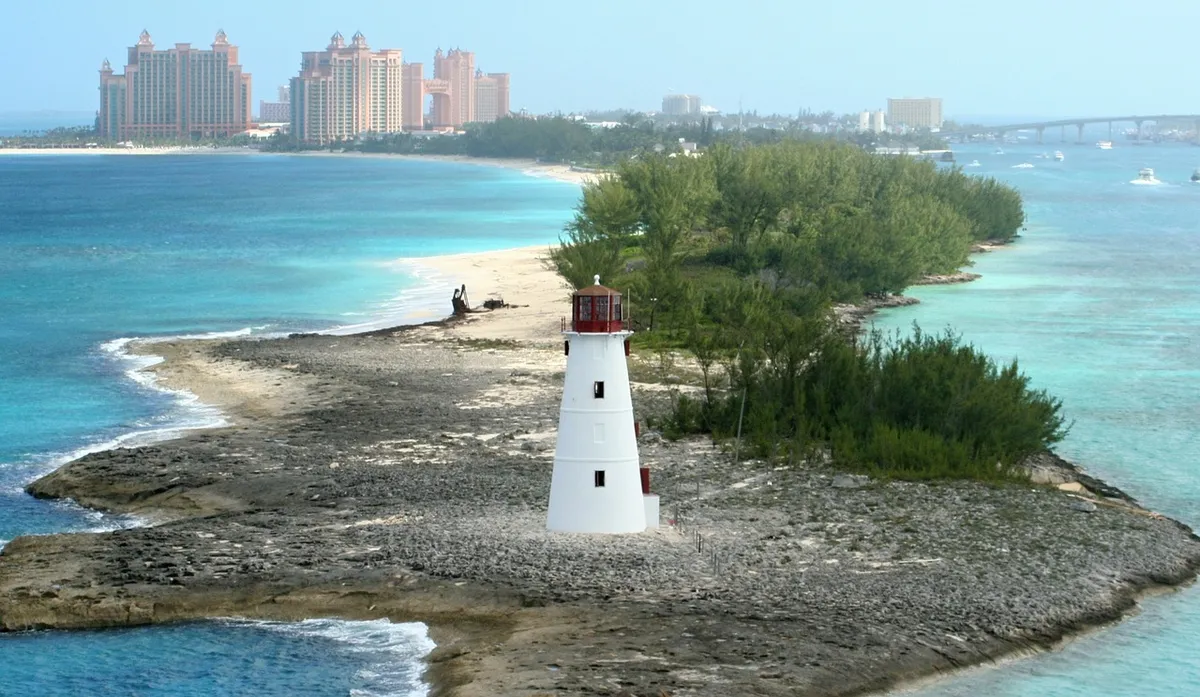
The demographic landscape underwent a massive transformation during the transition to colonial rule. The arrival of new groups led to a complete restructuring of the population.
This process was not merely a change in numbers but a fundamental shift in the ethnic and social composition of the islands.
The descendants of certain groups now constitute 85% of the Bahamian population. This statistic highlights the profound impact of historical migrations and the lasting legacy of those who arrived during the colonial era. The current population is a direct result of these historical movements.
What are the geographic characteristics of the islands?
A traveler stands on a high ridge, looking out over an expansive coastline that stretches toward the horizon. The rugged terrain and vast sea define the boundaries of life in this island nation.
The geography of the islands played a crucial role in how people settled and lived. Large landmasses and coral reefs provided both challenges and opportunities for the inhabitants. The physical environment dictated the limits of agriculture, trade, and movement.
The island group transformation was often influenced by the size and shape of the land. For instance, North Andros is the sixth largest island in the West Indies, measuring roughly 6,000 km2 (2,300 sq mi) in area.
Such significant landmasses provided the space necessary for larger settlements and diverse ecosystems.
How did the environment affect settlement patterns?
A farmer looks at the sky, watching for signs of rain in a landscape that can sometimes be quite dry. The availability of water and fertile land determined where people could build permanent homes.
Environmental factors like rainfall and climate influenced where people chose to live. In some areas, the climate was much more conducive to large-scale settlement than in others. This led to unevenly distributed populations across the various islands.
Population density in the southernmost Bahamas remained lower, probably due to the drier climate there. For example, Great Inagua Island and the Turks and Caicos Islands receive less than 800 mm of rain a year. This natural limitation shaped the settlement patterns of the southern reaches.
What are the historical limits of this study?
A historian closes a heavy book, reflecting on the vastness of the past that remains undocumented. The shadows of the past remind us that every story has gaps and unexplored corners.
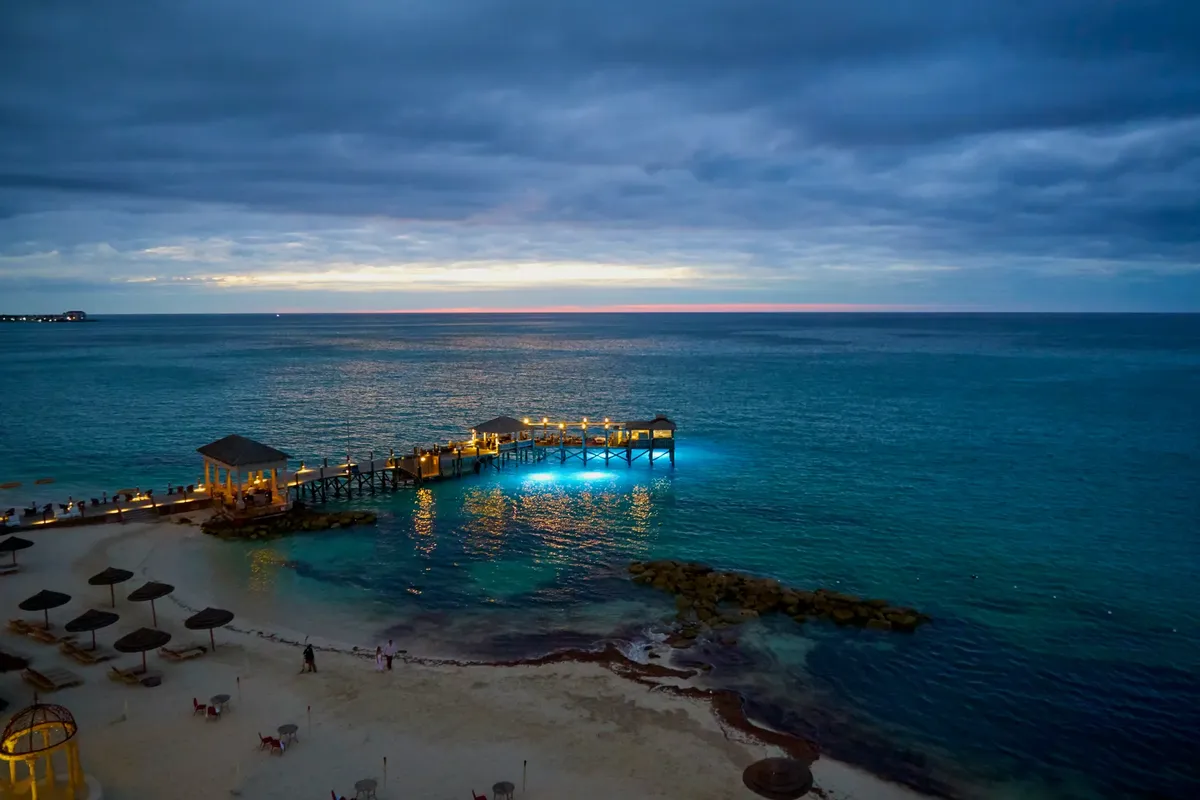
The study of this transition is limited by the available historical records and the fragmented nature of early accounts. While we can trace broad movements, the specific daily lives of the earliest inhabitants are often reconstructed through archaeology rather than written text.
The transition from the Lucayan era to the colonial period is complex and documented through varying lenses. This overview provides a foundation but cannot cover every specific interaction or local detail of the entire archipelago.
The same subject is also called Bahamas ancient past.
This part also covers Lucayan to colony journey.
This part also covers Early life to empire.
Lucayan to colony journey
Related




Comments 0