Bahamas Safety Guide: Navigating Islands with Confidence
"The difference between a dream vacation and a logistical nightmare often lies in the preparation you do before you even pack your suitcase."
If you are staring at a flight confirmation to Nassau or a cruise itinerary to the Exumas in late 2025, you likely have a mix of excitement and "what-if" anxiety. This guide settles those questions by covering everything from local safety and currency to the realities of hurricane season.
* Safety First: Understand the distinction between tourist hubs and local neighborhoods to stay secure. * Logistics Solved: Learn why your US dollars are often your best friend in the islands. * Weather Watch: Master the seasonal risks of hurricanes versus the constant sunshine. * Planning Power: Get a clear picture of the vast geography you are about to explore.
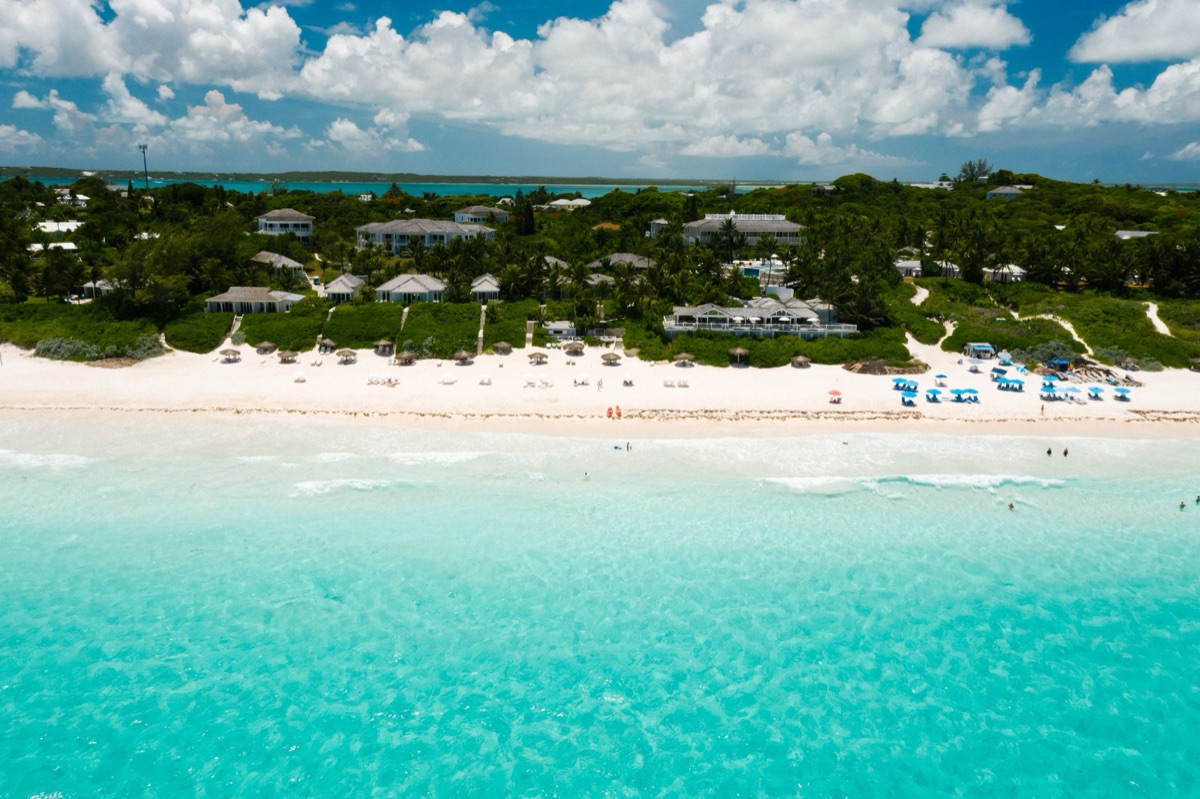
Navigating the Basics: Arrival & Logistics
The sun hits the tarmac at Lynden Pindling International Airport in July 2026, and the humidity immediately wraps around you like a warm towel. You stand in line, passport in hand, wondering if you have enough local currency or if your phone will connect to the local towers.
When you arrive, the first thing you will notice is that the transition from the US to the Bahamas feels seamless yet distinct. For American travelers, your passport is your most vital document; ensure it is valid for at least six months beyond your planned departure.
Regarding money, you will find that the Bahamian dollar is pegged to the US dollar at a 1:1 ratio. This means you can use your USD almost everywhere, and the exchange rate is stable. While you can exchange USD for local bills, the transition is effortless.
Keep small denominations handy for tipping—which is a common practice in resorts and for tour guides—and for local snacks like conch fritters at a roadside stand.
Connectivity is another immediate hurdle. While many high-end resorts like Atlantis provide ample Wi-Fi, you may want to pick up a local SIM card if you plan on hopping between islands like Eleuthera or the Exumas. This ensures you have GPS access for those scenic drives.
As you settle in, remember that the local culture is vibrant and welcoming; a polite "good morning" goes a long way in establishing rapport with locals.

Safety & Security Deep Dive: What should you actually watch out for?
Walking through a brightly lit resort plaza at 9:00 PM feels entirely different than walking a side street in a busy district of Nassau. You check your surroundings, feeling the weight of your wallet in your pocket, wondering if you should be cautious.
The Bahamas is generally a safe destination for tourists, especially within the well-policed resort areas and popular cruise ports. However, like any popular destination, crime can occur. Most issues involve petty theft, such as pickpocketing in crowded markets or theft from rental cars.
To stay safe, follow these practical protocols: 1. Stay Aware in Urban Areas: In Nassau, stick to well-traveled tourist areas during the day and avoid walking alone in unfamiliar neighborhoods after dark. 2.
Secure Your Valuables: Never leave bags unattended on a beach or visible in a parked car. 3. Use Official Transport: When moving between locations, use reputable taxi services or hotel-arranged shuttles rather than walking long distances in unfamiliar territory. 4.
Trust Local Intelligence: If you are unsure about a specific area, ask your hotel concierge or a local guide. They provide real-time, practical advice that a guidebook cannot.
By maintaining a healthy level of situational awareness, you can focus on the beauty of the turquoise water rather than your surroundings. But even in the safest areas, the weather can change your plans in an instant.
Weather Watch: How do you handle hurricane season?
The sky turns a heavy, bruised purple, and the wind begins to howl through the palm fronds. You look at the weather app on your phone, wondering if your planned boat excursion to Pig Beach is still a possibility.
Understanding the climate is essential for planning. The Bahamas is famous for its sunshine, averaging more than 340 days of sunlight annually. This makes it a year-round destination.
In terms of temperature, the climate is remarkably stable; there is only a 7 °C (13 °F) difference between the warmest month and the coolest month in most of the islands.
While you might occasionally experience a brief dip in temperature during a cold snap from the North American mainland, it has never been recorded that the islands experience frost or freeze.
However, the real variable is hurricane season. Hurricanes can bring extreme rainfall and intense winds. It is important to note that a global temperature rise of 2 °C above preindustrial levels can increase the likelihood of extreme hurricane rainfall by four to five times in the Bahamas.
Because of this, you should: * Monitor the Season: Be aware that the peak of hurricane season is typically August through October. * Have Travel Insurance: Never book a trip to the islands without comprehensive travel insurance that covers weather-related cancellations or evacuations.
* Stay Flexible: If a storm is approaching, local authorities may cancel ferries or flights. Always have a "buffer day" in your itinerary.
Staying prepared for the weather is vital, but you also need to prepare your wallet.

Planning Your Perfect Escape: How do you balance timing and budget?
You sit at a small cafe table, looking at a spreadsheet of costs: a luxury villa in the Exumas versus a day pass at a major resort. You need to decide if you should spend your budget on a private boat charter or a high-end hotel stay.
The scale of the Bahamas is massive. The territory encompasses 470,000 km2 (180,000 sq mi) of ocean space. This vastness means that your budget and your timing must align with your travel style.
If you are coming on a cruise, you might only have a few hours in Nassau. In that case, a local walking tour or a quick visit to a museum is more realistic than trying to travel to a distant island. If you are staying for a week, you can afford to explore the Out Islands.
| Travel Style | Typical Activity | Estimated Budget Level |
|---|---|---|
| Cruise Passenger | Walking tours, local markets, short excursions | Moderate |
| Island Hopper | Private boat charters, inter-island flights | High |
| Resort Vacay | All-inclusive stays, water sports, spa days | Luxury |
To maximize your value: 1. Book Early: For popular destinations like the Exumas, book your accommodations and boat charters months in advance. 2. Compare Day Passes vs. Stays: If you aren't staying at a luxury resort like Atlantis, look into day passes to access their amenities. 3.
Plan for Transport: Remember that traveling between islands often requires small planes or ferries, which can be expensive. Group your activities by island to save on transit costs.
When I planned my own trip through the Out Islands, I realized that grouping activities by island wasn't just a suggestion—it was a necessity to keep costs from spiraling. But once you have the budget set, you still have to choose where to actually go.
Beyond the Beach: Which islands are right for you?
You stand on the deck of a small boat, looking out at a horizon that seems to stretch forever. To your left, the water is a pale turquoise; to your right, it deepens into a dark, royal blue.
Because the territory is so vast, you must choose your "vibe" carefully. Each group of islands offers a different experience:
* Nassau & Paradise Island: This is the hub of activity. It is perfect for those who want luxury resorts, nightlife, and easy access to historical sites like Fort Fincastle. It is the easiest place to arrive and depart. * The Exumas: If you want the "postcard" Bahamas—crystal clear water and swimming pigs—this is your destination. It is more expensive and requires more planning, but the scenery is unmatched. * Eleuthera & Andros: These islands offer a more rugged, natural beauty. They are ideal for serious divers, snorkelers, and those looking to escape the crowds.
When matching your itinerary, consider your primary goal. If you want high-energy water parks and shopping, stay in Nassau. If you want to snorkel through blue holes or swim with sharks, head to the Out Islands.





Comments 0