Nassau pirate history guide: Why this island shaped culture
"The shadows of the Golden Age of Piracy still linger in the narrow, colorful streets of Nassau, where the salt air meets the echoes of a lawless past."
The historical significance of Nassau pirate history lies in its transformation from a notorious 18th-century privateer haven into a modern cultural cornerstone for Bahamian heritage.
Visitors can explore this legacy through walking tours, museum exhibits, and coastal landmarks that bridge the gap between maritime rebellion and contemporary Caribbean tourism.

This guide covers the historical context, essential viewing points, and practical ways to connect with Nassau's seafaring roots. 1. Understand the transition from pirate republic to colonial port. 2. Identify key landmarks associated with maritime lore. 3. Connect historical narratives to modern Nassau sightseeing. * Recognize the limitations of reconstructed pirate history.
What is the real history of Nassau pirates?
At noon, you touch the rough limestone walls of the fort in Nassau while feeling the heavy heat of the sun.
Walking along the limestone walls of Fort Fincastle, one feels the weight of centuries of maritime conflict. The historical meaning of Nassau pirate history is found in the era when the island served as a base for privateers and outlaws who challenged global empires.
This period shaped the social fabric of the Bahamas, establishing a culture of resilience and independence. While modern tours focus on the excitement of the Golden Age, the true significance lies in how these turbulent years influenced the development of Nassau as a strategic Caribbean hub.
Understanding this background allows travelers to see past the theatricality and appreciate the actual geopolitical shifts that occurred in these waters.
How can you explore the Nassau pirate history guide?
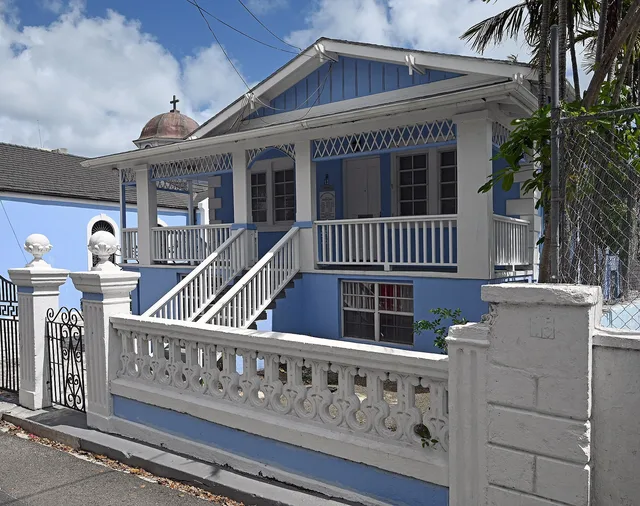
Navigating the sun-drenched streets of downtown Nassau requires a sense of direction and an eye for detail. To follow a Nassau pirate history guide effectively, you must look for specific architectural cues and coastal fortifications that once guarded the harbor.
The history is not just in books but in the physical layout of the city. You can trace the paths used by sailors by visiting the old forts and the waterfront areas where ships once docked.
Exploring pirate lore today involves walking the same cobblestone paths where historical figures once navigated the complexities of colonial law and maritime freedom.
What stories do Nassau's landmarks tell?
Standing before the heavy cannons of a coastal fort, the heat of the afternoon sun presses against the stone. To discover Nassau's deep story, travelers should focus on the specific sites that provided both defense and refuge during the height of maritime raiding.
The forts surrounding the harbor are essential stops for anyone wanting to see where the actual defense of the island took place. These structures offer a tangible connection to the era of privateers.
By visiting these sites, you move beyond simple legends and engage with the actual military architecture of the Bahamas.
Connect past to present fun with modern tours

Watching a guided group navigate the colorful alleys of the Straw Market, the energy of the city feels vibrant and alive. You can connect past to present fun by participating in themed walking tours that blend historical facts with the lively atmosphere of modern Nassau.
These tours often use storytelling to bring the era of the pirate republic to life. While they are designed for entertainment, they provide a structured way to learn about the geography and the social hierarchies of the 1700s.
It is a way to see how the rugged history of the islands has been integrated into the modern tourism economy.
Explore pirate lore today with these steps
Walking through the historic district, I found myself tracing the lines of an old stone wall, wondering how many sailors had leaned against it centuries ago. To properly experience the historical layers of the city, follow these steps:
- Visit the primary coastal fortifications to observe the defensive layout of the harbor. 2. Join a walking tour that specifically focuses on the colonial and maritime history of New Providence. 3. Examine the local museum collections to see artifacts recovered from historical shipwrecks.
After completing these actions, check your understanding by comparing the legends you heard on the tour with the actual architectural evidence found at the forts.
Limitations of the Nassau pirate experience

The salt spray hits the face while standing on a pier, reminding us of the ocean's enduring power. It is important to note that much of the "pirate" experience in Nassau is a romanticized reconstruction.
According to World Bank data, the Bahamas recorded international tourist arrivals of 1,794,500 in 2020.
The historical reality was often much grimmer and less organized than the colorful depictions found in modern media. While the atmosphere is immersive, the specific details of many pirate encounters are based on oral tradition rather than documented maritime logs.
This means the experience is a blend of historical fact and cultural myth.
How does the Golden Age influence modern tourism in Nassau?
- The transition from a pirate republic to a colonial port provides the foundation for contemporary cultural attractions. 2. Modern tours utilize the echoes of the Golden Age to create immersive visitor experiences. 3. Travelers can see how the original maritime rebellion has been integrated into the modern tourism economy.
The shadows of the Golden Age of Piracy still linger in the narrow, colorful streets of Nassau, offering a unique backdrop for modern commerce. These lingering historical elements allow tourism operators to frame their offerings around a dramatic, seafaring narrative.
The resilience shown during those turbulent years now underpins the city's vibrant commercial life.
What cautions should visitors observe regarding historical depictions?
The historical reality often contrasts sharply with the colorful depictions found in modern media. Visitors should recognize that the experience is a blend of historical fact and cultural myth.
The specific details of many pirate encounters are derived from oral tradition rather than verifiable maritime logs. This condition requires a critical approach when viewing exhibits.
The architectural cues that suggest a lawless past must be viewed alongside the known limitations of reconstructed history. While the atmosphere is immersive, the narratives presented sometimes prioritize entertainment over rigorous documentation.
A cautious observer compares the legends heard on the tour with the actual physical evidence available at the sites.
The historical significance of Nassau's pirate era is tied to its function as a strategic Caribbean hub, a fact that remains relevant even as the focus shifts toward modern sightseeing. Understanding this dual nature—rebellion and strategic importance—helps contextualize the current tourist appeal.
The lingering shadows of the Golden Age are thus both a historical marker and a commercial draw.








Comments 0