Pirate history site meaning: Understanding the islands' past
"The sea does not remember the names of those who sailed it, only the currents that carried them."
Understanding the historical weight of Nassau's maritime past requires balancing local legends with the reality of the Atlantic tides. This guide helps travelers differentiate between romanticized maritime myths and the actual socioeconomic history that shaped the islands.
You will learn to identify the core themes of maritime freedom, the reality of historical trade, and the modern shift toward cultural tourism.
How can travelers interpret the pirate history site meaning?
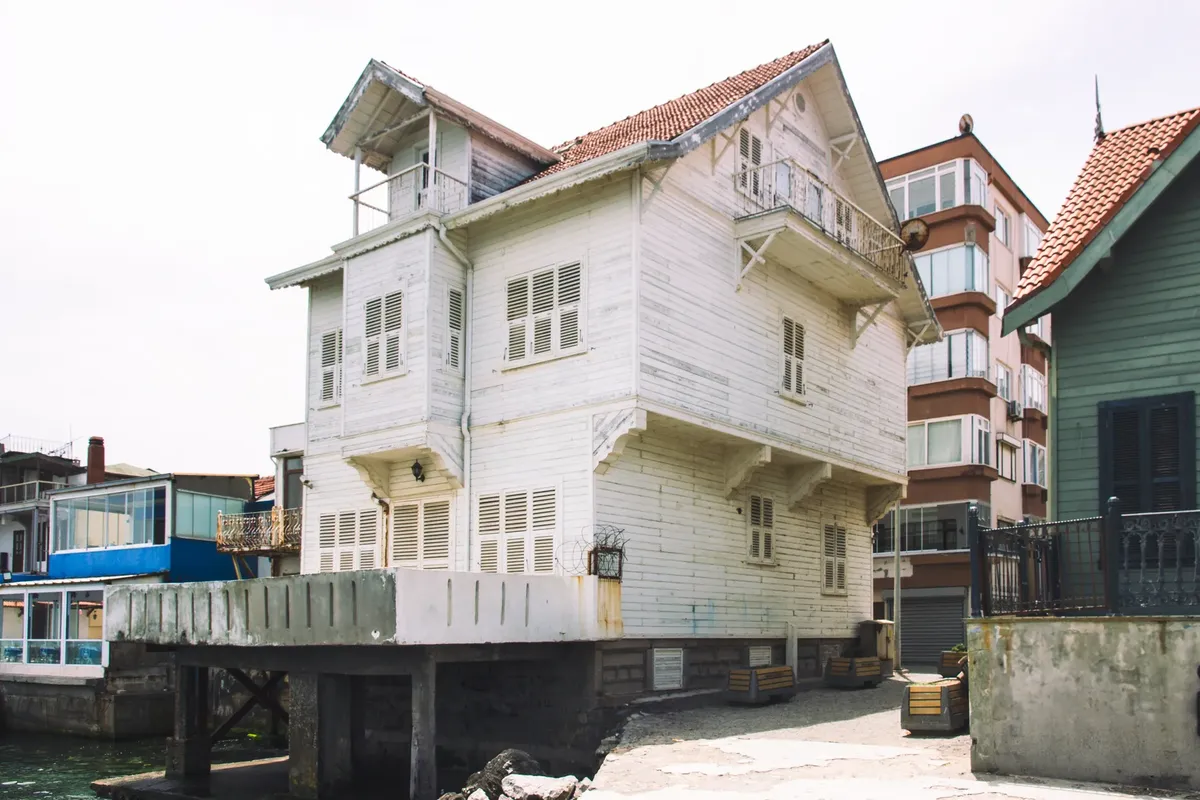
At dawn, a traveler touches the jagged stone of the fort and feels the cold chill of a pirate legacy beneath their fingertips.
A traveler stands on the edge of a stone pier in Nassau, watching the turquoise water lap against the weathered dock. The salt air carries a heavy scent of history, making one wonder if the legends of gold and rebellion are merely sea spray.
Understanding the pirate history site meaning involves recognizing that these locations were not just lawless outposts but critical hubs of maritime activity and trade.
The historical significance of these sites often lies in their strategic positioning for trade and defense. While popular culture focuses on plunder, the reality involved complex interactions between maritime travelers and colonial powers.
Visitors often find that the true value of a site is found in how it facilitated global connections rather than just simple theft.
Reflecting on these coastal routes reveals a deep-seated connection to the sea. The past vs present view of these locations shows a transition from survival-based maritime life to structured tourism. This shift allows modern visitors to explore the intersection of legend and documented history.
- Observe the physical layout of the coastal fortifications.
- Compare historical maps with current geographical features.
- Reflect on how the terrain influenced maritime tactics.
How does a pirate journey help me understand history?
An explorer walks through a narrow, sun-drenched street, tracing the uneven cobblestones with a curious gaze. The journey through these historic corridors serves as a bridge between the romanticized stories and the actual lives of sailors.
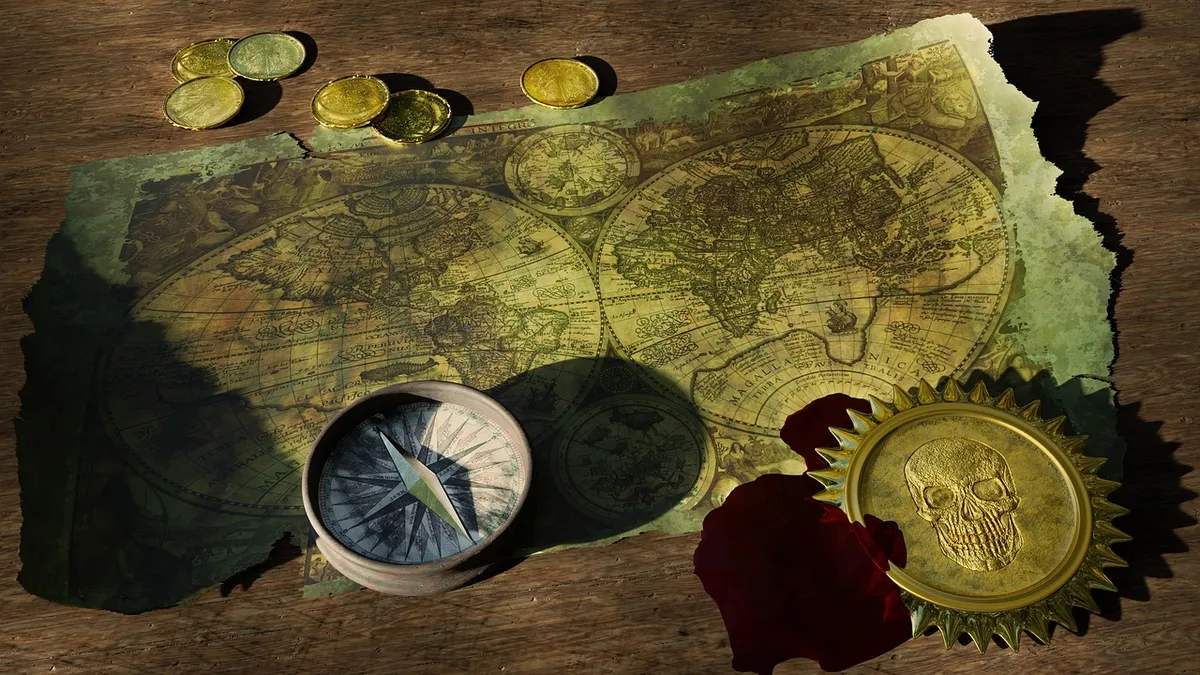
A tourists' pirate journey is less about finding buried treasure and more about understanding the social structures of the 18th-century Caribbean.
The historical context of these islands was shaped by the need for maritime control and the movement of goods. Many sites were established to manage these flows, creating a unique blend of cultures and legal frameworks.
This site's location context demonstrates how geography dictated the rise and fall of various maritime powers.
The transition from maritime outposts to modern ports shows the evolution of the region. Travelers often find that the most profound lessons come from seeing how natural harbors became centers of global commerce.
In this sequence, the second step is the most extensive.
How do we analyze the site's cultural roots?
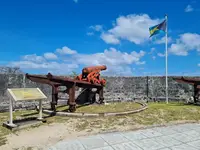
The sun beats down on a historic fort, where the thick walls tell stories of defense and survival. Visitors often look at these structures and see only relics of war, but they are also symbols of cultural endurance.
The site's cultural roots are deeply embedded in the interaction between indigenous knowledge, colonial expansion,ly, and the diverse sailors who arrived on these shores.
These roots are not static but continue to influence the identity of the islands today. The blend of traditions brought by various maritime groups created a unique social fabric that remains visible in local customs.
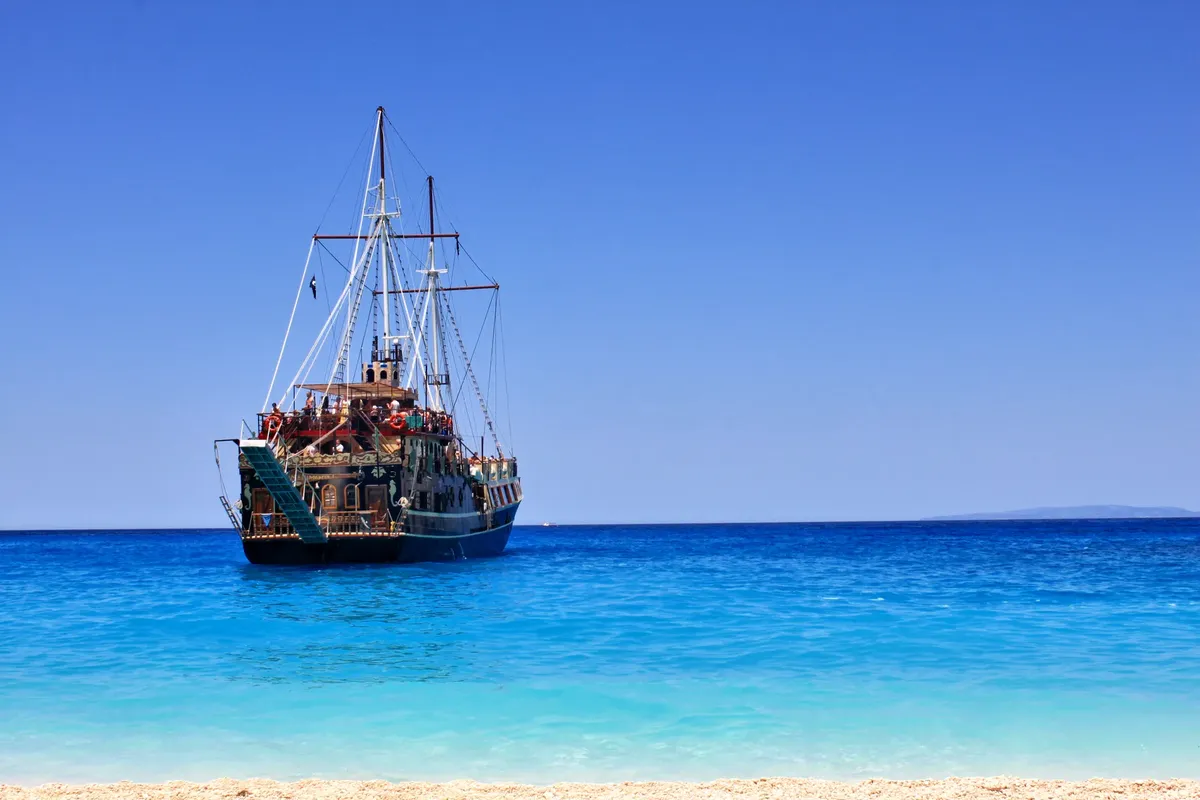
Understanding these roots helps visitors see the depth behind the colorful facades of modern coastal towns.
The intersection of history and identity remains a central theme for anyone visiting these islands. By studying the maritime legacy, one gains a clearer picture of how these islands became a crossroads of the Atlantic.
What are the key concepts of maritime history?
A visitor sits at a seaside cafe, sketching the silhouette of an old sailing vessel in a notebook. The concept of maritime history can feel overwhelming, yet it is grounded in tangible remnants of the past.
A visitor's key concept should center on the tension between maritime law and the freedom of the high seas.
History is often written by the victors, but the maritime record is written by the tides. The reality of the past was often much more organized and bureaucratic than the chaotic stories suggest. Identifying these nuances allows for a more sophisticated understanding of the region's development.
The study of these maritime traditions provides a window into the global economy of previous centuries. It is a lesson in how human ambition and natural environments interact to shape the world.
Understanding the scale of maritime movement
The sheer volume of human movement across the Atlantic is reflected in the historical records of the region. While modern tourism is a significant driver, the historical scale of maritime traffic was equally transformative.

According to World Bank data, the Bahamas recorded international tourist arrivals of 1,794,500 in 2020.
| Historical Context | Modern Context |
|---|---|
| Strategic maritime hubs | International tourism centers |
I observed how the layout of the old harbor still dictates the flow of modern traffic, much like it did centuries ago.
A limitation of this historical interpretation is that it is often filtered through a colonial lens, which may overlook the perspectives of those who were not part of the dominant maritime powers.
The same subject is also called Pirate site past value.
The same subject is also called Modern view of piracy.
Site's location context
Related






Comments 0