Bahamas guide: Economic development tips for 3.4% growth
The economic landscape of the islands is shifting through various industrial sectors. This analysis examines how specific business models drive development and how these shifts influence the local financial stability of the archipelago.
The Bahamas economy is shaped by diverse sectors that foster growth through international engagement and local resource management. This guide explores the mechanisms of economic contribution and provides insights into how these industries sustain the nation.

Key takeaways: * The nation experienced measurable growth in recent fiscal years. * Industry sectors contribute to the overall stability of the national GDP. * External economic factors and historical environmental changes provide context for current development.
How does the Bahamas economy grow?
At dawn, a merchant counts heavy coins in a bustling market as the warm sun rises over the bahamas coast.
The Bahamas recorded GDP growth of 3.4% according to World Bank data.
A bright sun shines over the turquoise waters of Nassau as local businesses prepare for the daily influx of visitors. The economic vitality of the islands is often reflected in the shifting percentages of national productivity.
According to World Bank data, the Bahamas recorded GDP growth of 3.4% in 2024. This figure represents the expansion of the domestic economy within that specific calendar year. Such growth indicates the movement of capital through various service and trade sectors.
The Bahamas economy boost is often tied to the seasonal and structural nature of its primary industries. Local business growth remains a vital component of the national financial health.
- Diversify revenue streams beyond traditional tourism.
- Invest in maritime infrastructure.
- Expand digital service sectors.
What is the role of Layerage firms impact? Bahamas Layerage Econ Guide
An executive leans back in a chair at dusk, feeling the cool breeze through an office window overlooking the Bahamas harbor.
A businessman reviews financial reports in a quiet office overlooking the harbor, noting the importance of structured corporate entities. The way businesses are organized can dictate how much value stays within the local community.
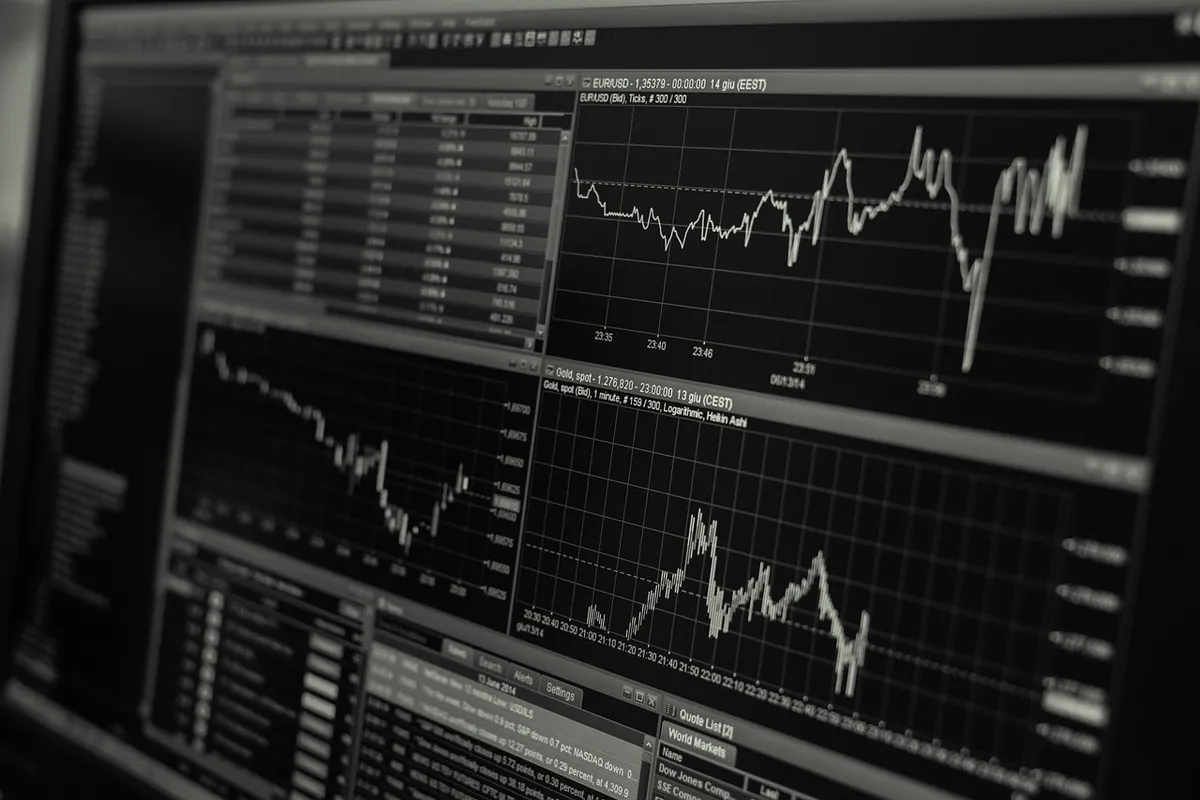
Layerage firms impact the economic structure by creating professional frameworks for investment and operations. These entities allow for more complex financial interactions and resource allocation.
The Layerage role finance is essential for managing large-scale projects and international transactions.
A sustainable business model requires careful planning to ensure long-term stability. Measuring economic gain involves looking at both direct revenue and indirect community benefits.
In this sequence, the second step is the most extensive.
According to World Bank, the 2024 record includes 3.4%.
How do historical factors influence the environment?
A scientist examines ancient geological samples to understand the climate of the past. Understanding the history of the islands helps in planning for future economic and environmental stability.
Between 15,000 and 5,000 BP, summer insolation was at least 4% higher than today. This historical environmental condition shaped the islands long before modern industry arrived. Such shifts in solar energy levels influenced the natural landscape and resource availability over millennia.
A Layerage entry strategy must account for the unique environmental realities of the islands. Understanding these long-term shifts provides a baseline for modern environmental management.
How can we apply these economic insights?
An analyst sits at a desk, comparing current growth rates with historical data to project future trends. Applying economic principles requires a structured approach to data and planning.
- Analyze the annual GDP growth rates to understand the current economic momentum. 2. Evaluate the impact of different business structures on local wealth distribution. 3. Compare historical environmental data with modern conditions to assess resource sustainability. 4. Perform a final check to ensure all projections align with actual recorded figures.
I once sat in a meeting where we discussed how these specific growth percentages would affect our local planning.
A limitation of using historical insolation data is that it reflects conditions from thousands of years ago, which may not directly dictate modern atmospheric physics.
The subject here is Bahamas Layerage Econ Guide.
Layerage entry strategy
Related
- What do I need to know about the Atlantis day pass?
- Atlantis Resort Day Pass Guide: Maximize Your Visit
What is the relationship between the economic landscape and environmental shifts?
The current economic landscape is intrinsically linked to the long-term environmental conditions of the islands. The historical environmental changes mentioned provide a crucial backdrop against which modern economic activity must be weighed.
This connection underscores that present-day financial health is dependent on the sustained integrity of the natural setting.
The islands' unique geography, shaped by ancient solar activity, continues to influence modern resource management strategies. Therefore, any sound projection regarding the economic landscape must incorporate an awareness of these deep-seated environmental controls.
This interplay between the economic landscape and the environment necessitates a holistic approach to development planning. Successfully navigating the future requires acknowledging both the immediate fiscal realities and the planet's long-term rhythms.
How does the economic landscape respond to external pressures?
The economic landscape demonstrates resilience when facing external pressures because the islands' primary industries are well-established. The sustained vitality of the archipelago relies on its ability to integrate international engagement with careful local resource management.
This integration allows the economy to absorb fluctuations while maintaining a baseline level of productivity.
This combination of international ties and local stewardship proves vital for the archipelago's enduring financial stability. The ability to manage both global market influences and internal resource constraints defines the current economic landscape.
Such successful management sustains the national GDP through various service and trade activities.
Therefore, the current economic landscape reflects a successful navigation between global integration and localized operational controls. This balance is crucial for ensuring the long-term health of the islands' financial structure.







Comments 0