Lucayan Roots to Modern Day: 300 Years of Bahamian Life
"Beneath the turquoise waves lies a layered history of survival, migration, and transformation."
The history of the Bahamas is far more than a backdrop for a luxury vacation; it is a record of intense struggle and massive human movement. To truly see the emerald waters of the archipelago, one must first understand the complex layers of the people who called these islands home before us.
* Historical Flow: From the original Lucayan settlements to the tug-of-war between European powers and the arrival of British Loyalists. * Key Themes: The disappearance of indigenous cultures, the establishment of colonial economies, and profound shifts in population makeup. * Travel Tip: Visiting the historic sites in Nassau or the settlements in Abaco and Long Island offers a tangible connection to this past.

How did the paradise built by the Lucayan people change forever?
The sun dips low, turning the horizon a deep crimson as the sound of rhythmic paddling against the waves echoes through the salt air.
Walking along the white sands near Nassau under the hot sun of 2026, the fine grains beneath your feet feel like a bridge to another era. It is easy to imagine the original inhabitants, the Lucayan people, navigating these waters in hand-woven reed boats hundreds of years ago.
The history of the Bahamas began long before European explorers arrived on the horizon. The Lucayans, a branch of the Taíno people, settled these islands and lived in harmony with the natural environment.
They relied on fishing and small-scale agriculture, weaving their lives into the delicate ecology of the islands.
However, this period of relative peace was shattered by the arrival of European explorers. The strategic location of the Caribbean made these islands much more than a tropical paradise; they became vital stepping stones for expanding empires.
While the traces of the Lucayan people remain in archaeological finds and oral traditions, their era began to fade into the background of a much larger global movement.
This transition was more than just a change in population; it was the beginning of a total transformation of the islands' social and cultural foundations.
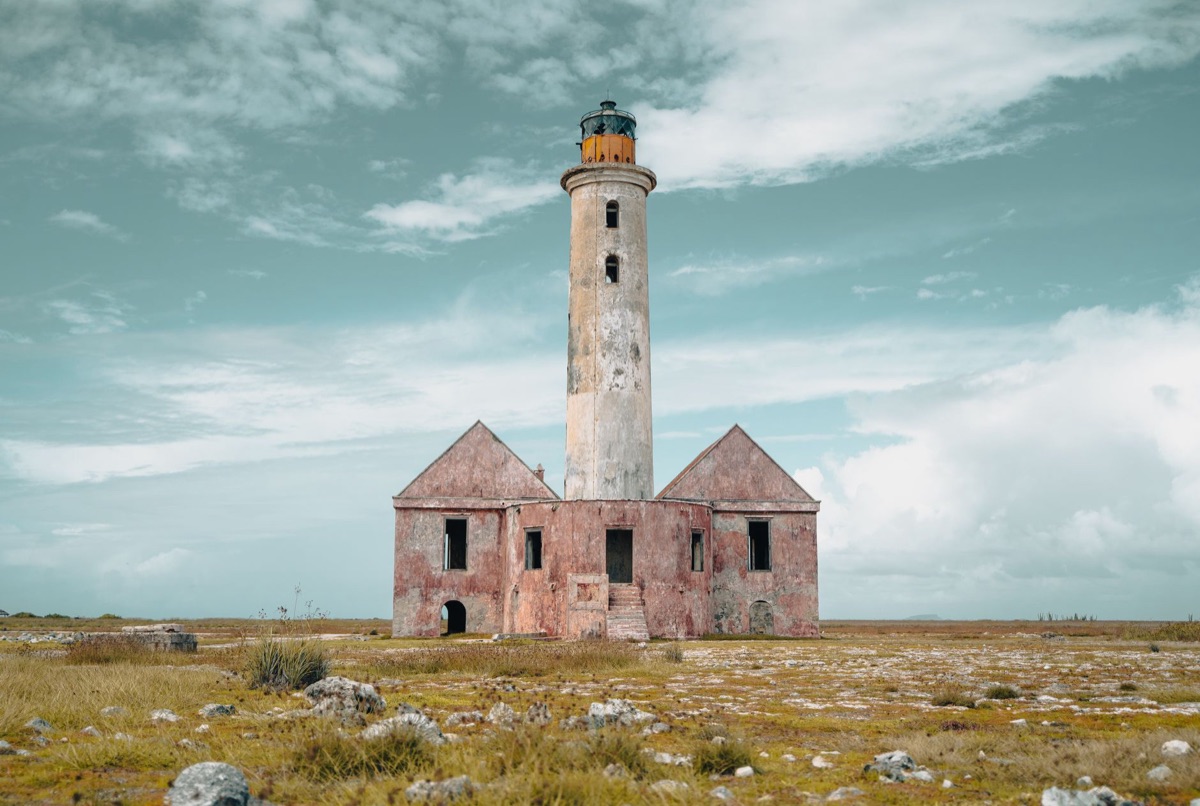
How did the struggle between empires spark a colonial era?
A thick morning mist rolls over the harbor in Nassau as ships bearing strange, unfamiliar flags appear on the horizon.
To European powers, the Bahamas represented a highly attractive outpost. While Spain claimed rights to the region, maintaining actual control proved difficult.
Taking advantage of this instability, pirates and various European powers began to vie for dominance, turning the archipelago into a complex theater of colonial history.
During this era, the islands functioned as a crucial hub for Atlantic trade routes rather than just a simple settlement. The tension between competing powers led to a constant influx of new settlers, which fundamentally altered the racial and cultural makeup of the islands.
These European political interests reshaped administrative boundaries and laid the groundwork for the modern nation.
As this period of chaos stabilized, a new group of settlers began to arrive, bringing permanent changes to the landscape.
Why did the British Loyalists choose these islands?
Settlers step off crowded boats, their faces weathered by the sea and their eyes reflecting both longing for home and ambition for a new life.
Following the American Revolutionary War, a significant group of people moved to the Bahamas to maintain their allegiance to the British Crown.
Known as the "Loyalists," these individuals migrated from the American mainland, bringing with them the ambition to establish large-scale plantations and new settlements.
This migration had a decisive impact on the demographic structure of the Bahamas. The Loyalists established permanent settlements on various islands, including Abaco and Long Island.
In doing so, they introduced new economic systems, including the institution of slavery, which played a major role in forming the social hierarchy of the islands.
The movements of these settlers left permanent marks on the geography of the islands, serving as a turning point for future demographic shifts.
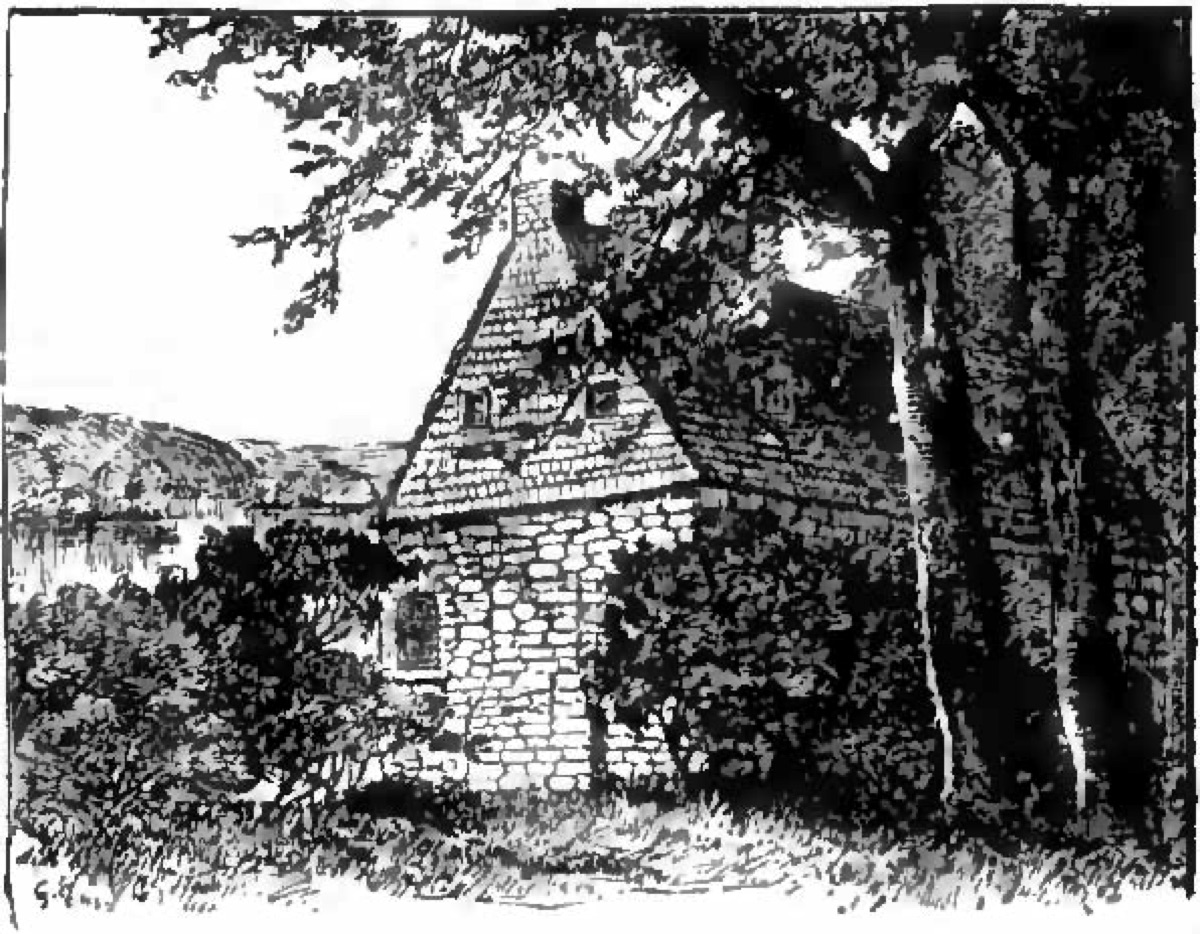
What caused the shifts in population and social structure?
The scenery of a small village changes over time, as the descendants of original settlers and new communities live side-by-side, carrying the weight of history. According to World Bank data, the Bahamas recorded a total population of 403,033 in 2025.
The changes in population composition resulting from historical movements are quite distinct. While white settlers made up a majority of the population in the 18th century, that proportion shifted significantly over time.
By 1966, white Bahamians constituted approximately 11.5% of the population of the Bahamas.
These demographic changes also vary significantly by geography. For example, white Bahamians constitute the majority (81.95%) of the district of Spanish Wells, which is located on Great Harbour Island.
They also represent a significant minority in Long Island (18.07%) and the Abaco Islands (13.76%), where several settlements and small cays remain majority white.
Understanding these demographic backgrounds is the key to grasping the multicultural identity and the unique local atmosphere of different islands today.
A practical guide to understanding Bahamian history
The air inside a museum is cool and still as you examine weathered documents that tell a story of conflict and change.
I remember standing in the National Museum in Nassau, looking at old nautical charts and heavy iron chains; it was a visceral reminder that the peace we enjoy today was built on a turbulent history.
To truly experience the history of the Bahamas, you need to look beyond the beach. Each island carries its own specific history, and understanding that context makes the landscape much more meaningful.
| Region | Primary Interest | Why Visit |
|---|---|---|
| Nassau | National Museum & Forts | To see colonial defenses and the remnants of pirate history. |
| Abaco | Historic Settlements | To observe the architecture and traces of Loyalist settlements. |
| Exuma | Ecology & Archaeology | To understand the natural environment and early indigenous life. |
Three steps for a meaningful historical visit:
- Research local backgrounds: Before visiting an island, find out which colonial powers first settled there to better understand the local architecture and customs.
- Visit local museums: Major hubs like Nassau offer verified historical records that provide essential context for your trip.
- Listen to local stories: Often, the oral histories shared by residents provide a more personal and vivid perspective than what is found in textbooks.




Comments 0