5+ Days: Deep Dive into Bahamian Life, Food, and Spirit
"The rhythm of the islands isn't found in the hum of an air conditioner, but in the strike of a goat-skin drum and the crack of a fresh conch shell."
If you travel to the Bahamas expecting only white sand and turquoise water, you will miss the very soul of the archipelago.
* Diversify your itinerary: Contrast the high-energy history of Nassau with the quiet, soulful isolation of the Out Islands. * Engage the senses: Prioritize authentic experiences like Junkanoo festivals and local conch feasts over generic resort buffets. * Plan for logistics: Understand the difference between a quick cruise stop and a deep-dive island-hopping itinerary to maximize cultural immersion.

Why Go Beyond the Beach: Finding the True Bahamian Pulse
The sun hit the cobblestone streets of Bay Street at midday in 2026, casting long shadows against the pastel-colored colonial buildings. In the distance, the smell of salt air mingled with the sharp, savory scent of frying seafood, a reminder that the ocean wasn't just a backdrop, but a way of life.
The Bahamas offers a vast cultural spectrum. In Nassau, you find a bustling, historical energy where the legacy of pirates and colonial administrators meets a modern, Caribbean vibrancy.
In contrast, the outer islands—like the Exumas or Eleuthera—offer a serene, deep-blue tranquility where the rhythm of life is dictated by the tides rather than the clock.
One of the most profound ways to feel this pulse is through Junkanoo. This isn't just a parade; it is a living history of resistance and celebration. The sounds of goat-skin drums, cowbells, and brass instruments create a thunderous, infectious energy that defines the Bahamian spirit.
It is a sensory explosion that connects the present to the ancestors.
To truly understand the islands, you must eat. Conch cuisine is the culinary heartbeat of the archipelago. Whether it is served as fresh conch salad, tossed in a spicy fritter, or slowly simmered in a rich stew, the conch is more than just food—it is a cultural staple.
It represents the bounty of the sea and the ingenuity of a people who have mastered the art of island living.
But how do you actually navigate these different worlds without getting lost in the tourist trap?
Navigating Your Visit: Cruise vs. Independent Travel
A cruise ship docks at Pier of the Americas in Nassau, and suddenly, 3,000 travelers spill into the streets, all looking for the same thing: a piece of paradise.
In the heat of a July afternoon, the sheer volume of people can make the historic streets feel more like a crowded terminal than a cultural destination.
Deciding how to navigate the islands is your first major strategic choice. If you are arriving via a cruise ship, you are likely looking at a 6-to-12-hour window.
In these windows, you must choose between the structured ease of a guided tour and the chaotic charm of self-guided exploration through Nassau’s historic districts.
For those with more time, independent travel offers a much deeper dive.
Flying into Lynden Pindling International Airport and then taking a local plane or ferry to the Out Islands allows you to escape the "tourist bubble." While luxury resorts like Atlantis or Bahamar provide world-class amenities, they can sometimes feel disconnected from the local reality.
Balancing a high-end stay with visits to local markets and small-town docks is the key to a successful itinerary.
| Trip Type | Duration | Best For | Primary Vibe |
|---|---|---|---|
| Cruise Stopover | 6–12 Hours | High-energy sightseeing | Fast-paced, structured |
| Short Getaway | 3 Days | Nassau & Paradise Island | Luxury & History |
| Deep Immersion | 5+ Days | Island Hopping (Exuma/Eleuthera) | Adventure & Local Connection |
However, once you leave the docks, the real questions begin to surface.
Adventures Underwater & On Land: Beyond the Swim-Up Bar
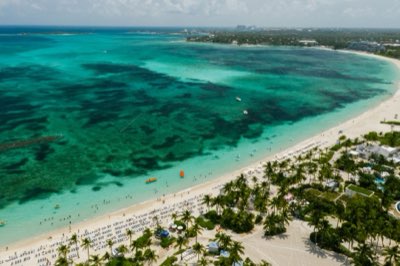
The water in the Exumas is so clear that the boats seem to hover in mid-air, suspended over a desert of white sand and coral. In the early morning of a Tuesday, the water is so still you can see every ripple of the seabed through 20 feet of crystal clarity.
While the beach is the draw, the real adventure happens beneath the surface or deep within the islands' geography. Snorkeling with sharks or rays and scuba diving in the clear Atlantic waters are transformative experiences.
However, these activities require respect for marine life and strict adherence to safety protocols. Always use certified guides when exploring blue holes or venturing into open water.
Beyond the water, the geography of the islands offers diverse landscapes. From the pink sands of Eleuthera to the dramatic blue holes, each location provides a different sensory experience. For those seeking a local touch, consider a deep-sea fishing charter or a visit to a small fishing village.
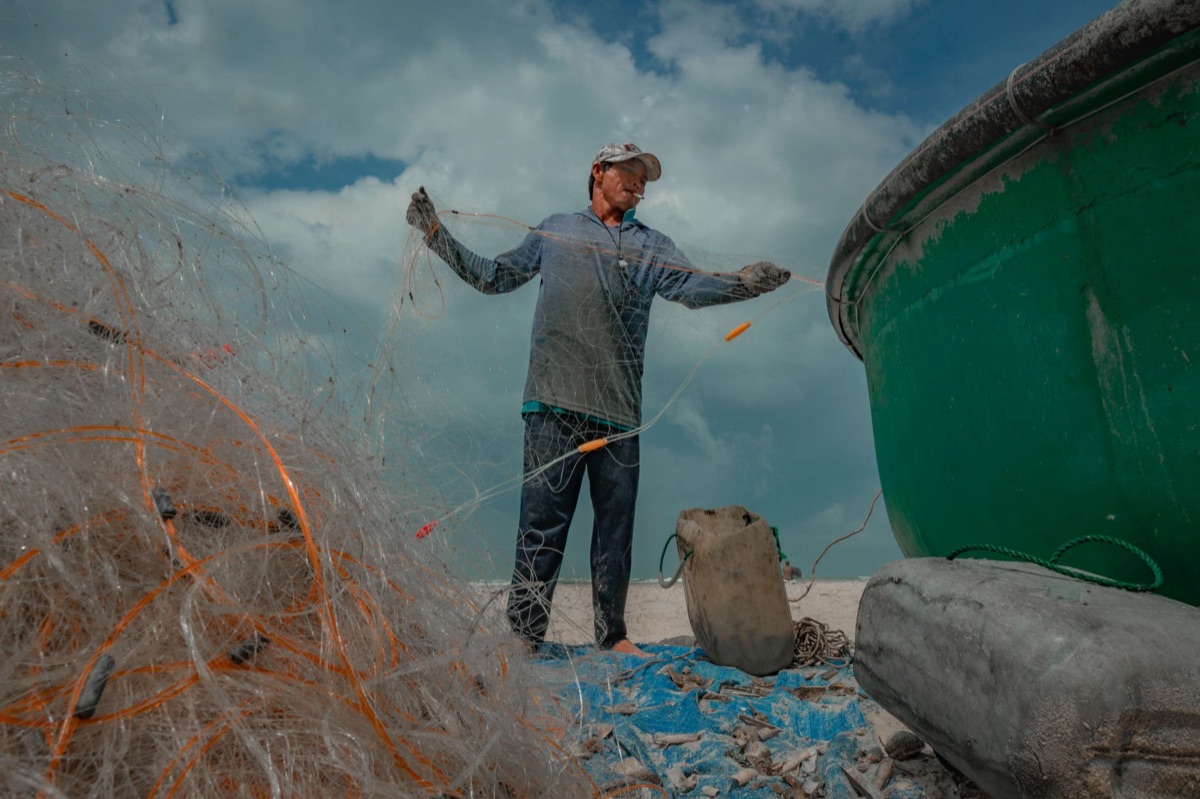
These moments, where you interact with local fishermen or see the daily harvest, provide a glimpse into the authentic Bahamian economy.
When planning these adventures, you should follow a specific checklist to ensure you aren't just another face in the crowd:
- Verify Guide Credentials: Always ask for certification papers before booking a blue hole dive or a boat charter.
- Check the Tides: In the Out Islands, many docks and paths are only accessible during specific tidal windows.
- Prepare for Cash: While cards work in Nassau, carry enough local currency for small-town docks and remote vendors.
- Respect the Reef: Never touch coral or feed marine life; keep a distance of at least 3 feet from all sea creatures.
- Pack for Change: Always carry a waterproof bag and a light windbreaker, as weather can shift in minutes.
But even with a plan, you might find yourself wondering how to actually integrate into the local rhythm.

A Glimpse into Bahamian Life: History & Local Lore
Walking through the historic forts of Nassau, the air feels heavy with the weight of centuries of maritime struggle and colonial maneuvering. In the shadow of Fort Fincastle, you can almost hear the echoes of the past.
The history of the Bahamas is layered. In Nassau, the echoes of the "Pirate Republic" era still linger in the architecture and the legends of famous privateers. This history isn't just in museums; it is in the very layout of the streets and the names of the docks.
The spirit of the islands is also tied to its unique heritage. In places like John Watling's Distillery, you can taste the history of rum-making that has been a part of the islands for centuries.
The cadence of life shifts as you move away from the capital. In the city, life is fast and loud; in the cays, the rhythm slows down, following the natural ebb and flow of the ocean.
This transition from the modern, vibrant hub to the quiet, traditional outer islands is the quintessential Bahamian journey.
Yet, there is a practical side to this beauty that travelers often overlook until they arrive.
Essential Traveler Intelligence: Before You Go
A sudden thunderstorm rolls in over the Atlantic, turning the bright blue sky into a heavy shade of slate, reminding everyone that the weather is the ultimate authority here. In the summer of 2026, understanding these shifts is vital for any traveler.
According to World Bank, the Bahamas recorded international tourist arrivals of 1,794,500 in 2020.
Before you pack your bags, you need to understand the practicalities of travel in the archipelago.
Logistics and Budgeting Entry requirements vary by nationality, so always check current passport and visa regulations for the Bahamas. Budgeting should account for the fact that while local food can be affordable, high-end excursions and luxury resort stays can be quite costly.
It is wise to have a mix of local currency and cards, though cards are widely accepted in major hubs.
Weather and Safety The hurricane season typically runs from June through November. It is crucial to monitor weather reports and understand that flights can be canceled without much notice during tropical storms.
In terms of personal safety, Nassau is generally safe for tourists, but standard urban precautions apply—avoid walking alone in unfamiliar areas at night and keep an eye on your belongings in crowded markets.
The Decision Point: How to Spend Your Time
If you are still deciding how to structure your trip, consider this comparison:
* The Resort Experience (e.g., Atlantis): Best for families or those who want luxury, water parks, and high-end dining without leaving the property. It is a self-contained paradise but can feel somewhat removed from local culture. * The Cultural Explorer (e.g., Island Hopping): Best for travelers who want to see the "real" Bahamas. This involves more travel time, smaller planes, and more rugged accommodations, but offers much higher levels of immersion and unique discovery.
Whether you find yourself dancing to a Junkanoo beat in the streets of Nassau or sitting quietly on a remote beach in the Exumas, the Bahamas will leave a lasting impression. The key is to look past the surface and embrace the rhythm of the islands.



Comments 0