Bahamas hurricane travel guide: Watch sudden storm intensity
"The importance of understanding storm history cannot be overstated when planning a tropical getaway."
A Bahamas hurricane travel guide requires an understanding of how rapidly weather patterns can shift from calm to catastrophic. Travelers must monitor official warnings, prepare for sudden intensity changes, and understand the historical context of storm behavior to ensure safety.
This guide covers tracking sudden intensification, recognizing official warnings, and managing travel risks during peak seasons.
How do sudden changes in storm intensity affect travel?
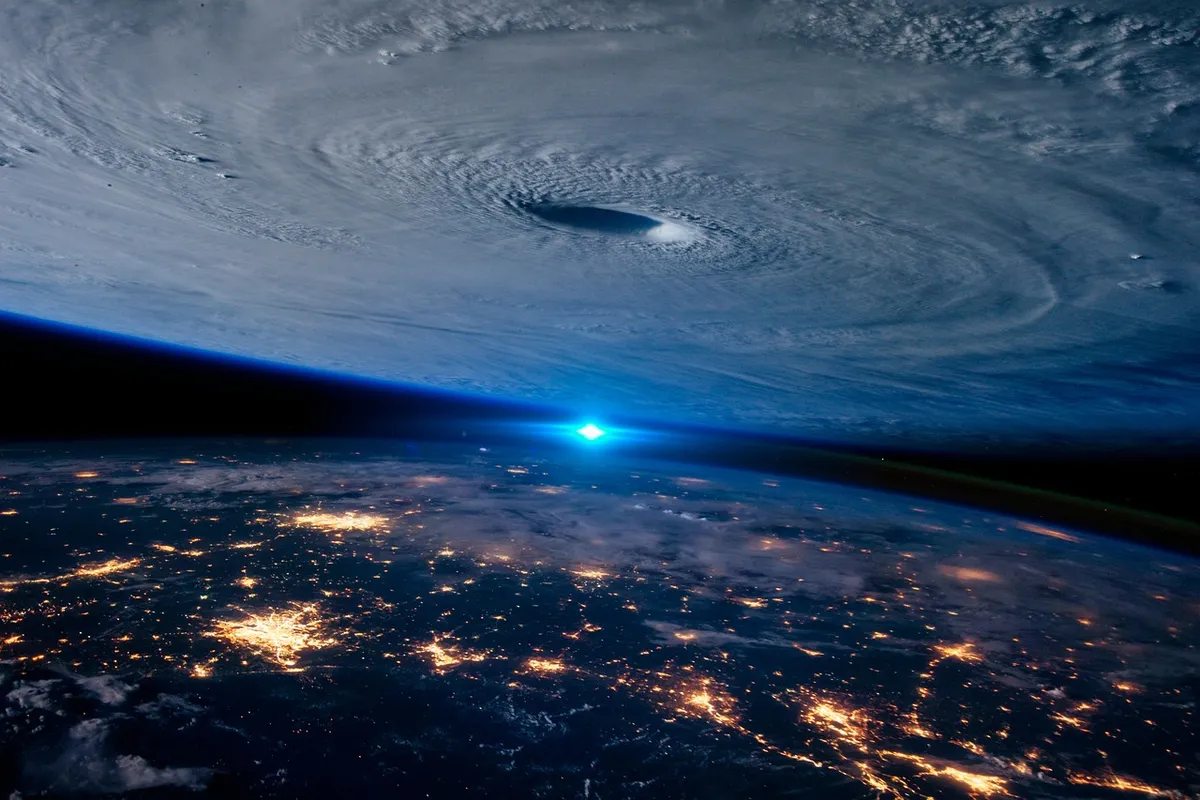
A traveler watches the horizon as the sky turns a bruised purple, realizing the wind is picking up faster than expected. Sudden shifts in atmospheric pressure can turn a manageable breeze into a life-threatening event within a single day.
Historical data shows how quickly conditions can transform. For instance, explosive intensification can turn a storm into a Category 5 hurricane with wind speeds of 185 mph (295 km/h) in only 24 hours.
Such rapid changes mean that a calm morning can result in a major emergency by the following afternoon.
Safety requires constant vigilance because a storm's eye can contract to a record minimum diameter of 2.3 mi (3.7 km) during peak intensity. This contraction often signals extreme wind speeds and dangerous pressure drops.
Understanding these patterns helps in making quick decisions about evacuation or seeking shelter.
What are the signs of an approaching hurricane?
A traveler checks the radio as a static-filled voice announces a shift in the local weather forecast. Recognizing the early stages of a storm is the first step in effective hurricane safety tips.
The government of The Bahamas issued a hurricane warning for the northwestern Bahamas at 12:00 UTC on October 23, about 24 hours before Wilma made its closest approach to the archipelago.
This demonstrates how official warnings provide a critical window for preparation before the storm makes its closest approach.

Staying informed through local authorities is essential for storm prep travel guide compliance. When warnings are issued, travelers should immediately look for secure shelter and follow the guidance of local officials to mitigate risks.
How can I manage travel risks during a storm?
A traveler gathers essential supplies, placing a flashlight and bottled water into a waterproof bag. Effective travel risk management involves preparing for the possibility of being stuck in a single location for several days.
Extreme weather can lead to unexpected closures and disruptions. For example, schools were canceled in Quintana Roo, Yucatán, and Campeche, up to 15 days in some areas due to storm damage. This highlights how local infrastructure can be impacted for extended periods following a major event.
Planning should always include a contingency for sudden changes.
What are the specific steps for hurricane preparation?
A traveler secures the windows of a rental unit, feeling the first gusts of wind rattle the glass. Following a structured approach ensures that no critical safety measure is overlooked.
- Monitor official weather updates from local government agencies to track the exact timing of landfall or closest approach. 2. Secure all loose outdoor objects that could become projectiles in high winds, such as patio furniture or decor. 3. Prepare an emergency kit containing enough food, water, and medical supplies to last several days without external replenishment.

After completing these steps, perform a final check of your emergency communication plan. Ensuring you have a way to contact family and local authorities is as important as having physical supplies.
How does storm history inform modern safety?
A traveler reads through historical weather reports, noting the sheer power of past atmospheric events. Studying previous storms provides a baseline for understanding potential wind speeds and surge risks.
According to the World Meteorological Organization, the name Wilma was retired from the Atlantic hurricane naming lists in April 2006 due to the hurricane's widespread damage.
In one instance, a rain gauge recorded 64.330 in (1,633.98 mm) of precipitation, which set a record in Mexico for the nation's highest 24–hour rainfall total, as well as the highest 24–hour rainfall total in the western hemisphere.
Such extreme rainfall can cause flash flooding even if wind speeds are not at their peak.
Understanding these historical extremes helps in forming Bahamas storm precautions. Recognizing that a storm can produce record-breaking rain or wind helps travelers respect the power of the environment.
How many tourists visit the region during storm seasons?
A traveler looks at a map of the islands, noting the vastness of the archipelago. Even during periods of high activity, the popularity of the region remains significant.

According to World Bank data, the Bahamas recorded international tourist arrivals of 1,794,500 in 2020. This high volume of visitors means that emergency services and local infrastructure must be prepared to handle large numbers of people during weather-related events.
Effective Bahamas hurricane travel guide strategies must account for these large numbers. Travelers should always have a plan that considers the potential for crowded shelters or limited access to transport.
- How do sudden changes in storm intensity affect travel?
- What are the signs of an approaching hurricane?
- How can I manage travel risks during a storm?
Related
- Bahamas hurricane guide: Understand ocean territory risks
- Bahamas hurricane safety guide: Monitor weather alerts
Why is the importance of understanding storm history crucial?
The importance of understanding storm history lies in establishing a realistic expectation of environmental extremes. Studying past events allows travelers to grasp the full spectrum of potential hazards associated with tropical systems.
This historical context informs modern safety protocols against sudden shifts in atmospheric conditions.
The importance of understanding storm history also helps in predicting the potential for rapid changes in a system's behavior. By observing past patterns, travelers can better appreciate the difference between a manageable system and one exhibiting explosive intensification.
This knowledge is vital for timely decision-making regarding travel continuation or necessary evacuation.
What are the conditions requiring immediate action?
The condition requiring immediate action is the issuance of an official hurricane warning from a governing body. This warning signals that the storm is approaching within a timeframe demanding serious preparation.
Travelers must treat this notification as the commencement of their emergency response protocol.
Another condition demanding immediate action is the observation of rapid shifts in local atmospheric conditions. When the sky changes color or wind speeds increase unexpectedly, it mirrors the dangerous shifts seen in historical records.
This visual cue mandates heightened vigilance from anyone monitoring the approaching weather system.
The importance of understanding storm history reinforces the need to act decisively when conditions deteriorate. Recognizing the precursors to a major event, as detailed in past reports, allows for proactive measures rather than reactive scrambling when the storm nears.
This preparedness is key to mitigating severe risks during a tropical journey.







Comments 0