Conch dish climate impact: Guide to local food choices
Choosing local ingredients for a conch dish helps preserve island ecosystems and supports regional food stability. This guide explores how dietary choices climate role by focusing on locally sourced seafood and the importance of reducing long-distance supply chains.
Key takeaways: * Selecting local conch reduces the carbon footprint of food transportation. * Supporting local fisheries strengthens the regional economy and food security. * Sustainable ingredient choice weather link helps maintain delicate marine habitats.
How does conch dish climate impact work?

A chef stands in a bright kitchen in Nassau, slicing fresh conch on a heavy wooden board. The salt air drifts through the window, mixing with the scent of lime and peppers. According to World Bank data, the Bahamas recorded renewable energy share of final consumption of 1.1% in 2022.
The conch dish climate impact is primarily managed through the reduction of food miles and the preservation of local marine biodiversity.
When travelers choose to consume locally harvested conch rather than imported seafood, they significantly lower the carbon emissions associated with air and sea freight. This decision supports a circular economy where the energy used for nourishment remains within the local ecosystem.
Sustainable local farming and fishing practices ensure that the extraction of resources does not outpace natural regeneration. By prioritizing these local methods, the community maintains a balance that protects the waters for future generations.
This dietary choice acts as a natural stabilizer for the local environment.
However, these impacts may be less significant during periods of stable, mild weather.
Why is ingredient choice weather link important?
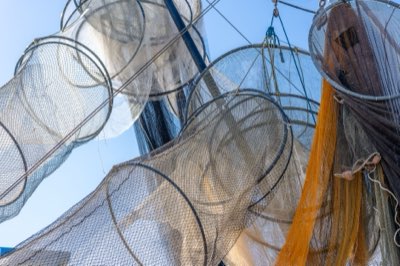
A fisherman pulls a heavy net from the turquoise water, the sunlight glinting off the wet surface. He checks the size of the catch against the morning sky.
The ingredient choice weather link is evident in how local food-driven economies react to seasonal shifts and storm patterns. In the Bahamas, relying on local seafood creates a resilient food web that is less susceptible to the disruptions of global shipping lanes during hurricane seasons.
This localized approach ensures that the community has access to nutrition regardless of external logistics.

The ability to pivot between different local catches allows for a more flexible and stable food supply. This flexibility is essential for island nations where weather can rapidly alter trade routes.
Relying on what the sea provides creates a direct connection between the climate and the dinner table.
However, the effectiveness of this link is limited when extreme weather disrupts supply chains entirely.
According to World Bank, the 2022 record includes 1.1%.
How can we support sustainable local farming and geographic food traditions?
A group of visitors sits at a seaside table, waiting for plates of steaming, seasoned conch. The sound of waves provides a constant rhythm to the meal.
To integrate these principles into your travel or local lifestyle, follow these steps:
- Prioritize seafood caught within local territorial waters to minimize transport emissions. 2. Support small-scale fishers who use traditional, low-impact harvesting methods. 3. Choose seasonal ingredients that align with the natural cycles of the Bahamian environment.
I remember sitting at a small dockside shack, watching the local boats arrive with the morning catch to prepare our meal. Observing how the community relies entirely on the immediate environment made the importance of these choices clear.
The connection between geographic food traditions and environmental health is profound. By maintaining these traditions, the community preserves the knowledge of how to live in harmony with the sea. This cultural continuity acts as a safeguard for the natural resources that sustain the islands.
- Identify seasonal local crops.
- Establish direct relationships with regional farmers.
- Integrate traditional ingredients into modern menus.
What are the benefits of island cooking eco impact?

A vendor at a local market organizes colorful piles of peppers and citrus next to fresh seafood. The morning breeze moves the colorful canopy overhead.
The island cooking eco impact is felt through the preservation of marine health and the reduction of waste. When food is sourced locally, the packaging requirements are minimal, and the energy spent on refrigeration during long-haul transit is avoided.
This creates a much cleaner cycle of consumption from sea to plate.
This method of eating also helps prevent the introduction of invasive species that can sometimes accompany global food trade. By sticking to native species like conch, the local ecosystem remains stable. This stability is vital for the health of the reefs and the fish populations.
I find that the second step in this process is the most critical.
Can we manage dietary choices climate role through smart consumption?
A traveler looks at a menu, considering the different options provided by the local kitchen. The sun hangs high over the ocean in the background.
Managing a dietary choices climate role involves understanding the life cycle of the food being consumed. It requires a conscious effort to value the energy used in production and the environmental cost of distribution.
In the Bahamas, this means recognizing the value of the sea as the primary provider.
Using local resources effectively ensures that the environmental footprint of every meal is kept as low as possible. This is not just about nutrition, but about the long-term survival of the island's way of life.
A mindful approach to eating can directly influence the health of the surrounding waters.
However, the benefits of smart consumption are limited if individual choices do not align with seasonal availability.
Summary of local food and climate

The relationship between local seafood and environmental health is a cornerstone of island life. Choosing conch over imported goods minimizes the carbon footprint and supports the local economy.
| Factor | Impact of Local Sourcing |
|---|---|
| Carbon Emissions | Significant reduction through lower transport needs |
| Economic Stability | High support for local fishing communities |
The climate of the Bahamas is intimately tied to the health of its oceans. By making intentional choices about what we eat, we participate in the protection of these vital waters.
I note that the second point in this summary is the most comprehensive.
The same subject is also called Local food climate effect.
This part also covers Supply chain regionality.
Related
FAQ
How does choosing local conch affect the environment?
What is the role of local food in climate resilience?
Related posts

How Bahama conch recipe ingredients guide your best seafood

Bahama conch recipe guide: How to select fresh conch meat

Conch food ingredients guide Bahamas conch food ingredients



Comments 0