Pirate culture modern view: Why visit islands today
The rugged history of Nassau's maritime past has evolved from a lawless frontier into a sophisticated pillar of the local economy. This transition from privateering to professional tourism shapes how travelers engage with the islands today.
This guide examines why the pirate culture modern view remains a central driver for visitors to the Bahamas.
You will learn how historical narratives fuel the local economy, the ways these stories are interpreted by modern travelers, and the specific limitations of studying this era through a purely recreational lens.
Key Takeaways: * Historical notoriety serves as a unique selling point for Nassau's identity. * Modern interpretations transform maritime legends into structured cultural experiences. * Tourism provides a sustainable way to preserve and share historical heritage.
Why does pirate culture modern view drive tourism?
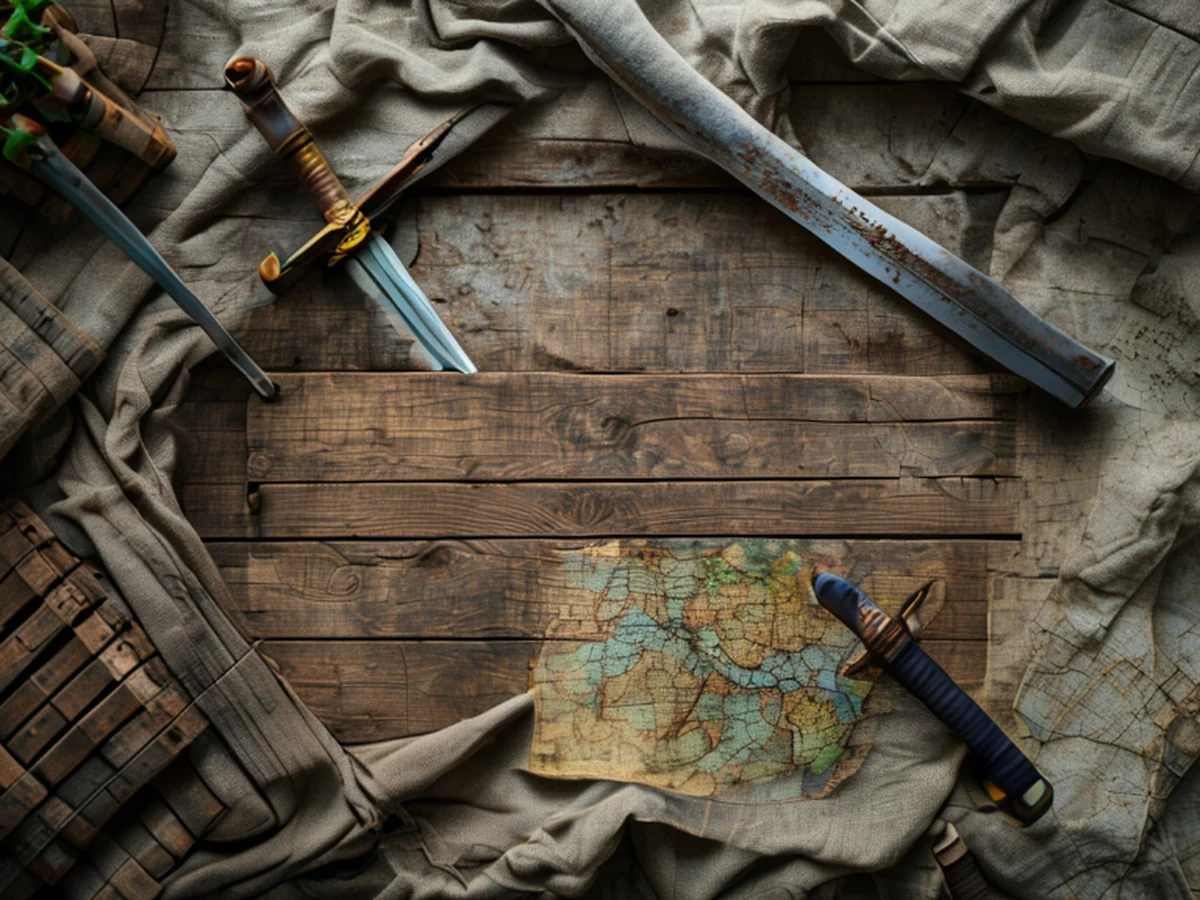
A heavy wooden door creaks open in a colonial-style building as sunlight hits a display of weathered maps and brass compasses. The transition from historical reality to a curated attraction is the foundation of the local travel industry.
The pirate culture modern view functions as a powerful branding tool for the Bahamas. Instead of mere legends, the stories of the past provide a tangible connection to the sea that attracts global travelers. This fascination turns historical sites into living museums.
The legacy of the Golden Age of Piracy provides a narrative depth that standard beach vacations lack. By offering a pirate history modern take, local tour operators can provide educational and immersive experiences. This engagement keeps visitors interested in the unique identity of the islands.
A visitor walks through a narrow, sun-drenched street, feeling the heat of the tropical air while glancing at old stone fortifications. The atmosphere of the past is carefully maintained to provide a sense of discovery.
The shift from maritime lawlessness to organized tourism requires careful curation of historical sites. This allows the community to celebrate its heritage while managing the flow of visitors. It turns the concept of a pirate site attraction into a repeatable and profitable economic driver.
The romanticized allure of high-seas adventure provides a compelling narrative that draws curious crowds to coastal regions.
How can travelers engage with this history?
While walking through the salt-crusted fort at dawn, a visitor touches the cold stone walls to feel the weight of pirate history.
The salt spray hits a face during a boat ride, and the sound of crashing waves fills the air. Exploring the maritime legacy requires a mix of site visits and active exploration.
To experience the history effectively, travelers can follow these steps:
- Visit historical fortifications and museums to understand the strategic importance of the islands. 2. Participate in themed walking tours that detail the lives of famous privateers. 3. Explore maritime museums to see artifacts that represent the era of seafaring.
A final check of the itinerary ensures that both historical education and leisure are balanced.
I remember standing on a lookout point, feeling the wind and wondering how sailors once navigated these exact waters. This personal connection to the past is what makes the history feel alive.
A pirate history tour ideas approach allows guests to see the intersection of geography and naval tactics. This type of engagement transforms a simple vacation into a meaningful cultural journey.

- Visit historical maritime museums to see authentic artifacts.
- Explore coastal fortifications and old harbor districts.
- Participate in educational walking tours led by local historians.
What are the best ways to experience a pirate site attraction?
A group of travelers gathers near a stone pier, looking out toward the turquoise horizon where old sailing ships once vanished. The physical landscape of Nassau remains a constant backdrop to these historical tales.
According to World Bank data, the Bahamas recorded international tourist arrivals of 1,794,500 in 2020.
A pirate site attraction often involves visiting the ruins of forts and colonial structures. These locations serve as physical anchors for the stories told by guides. They offer a sense of scale that books cannot provide.
The pirate culture experience is often built around the geography of the islands. Natural features like bays and inlets that once provided cover for ships are now prime spots for snorkeling and sightseeing. This duality of use keeps the history relevant to modern recreation.
A guide points toward a distant fort, explaining how the tides once dictated the movement of entire fleets. The intersection of nature and history creates a compelling narrative for every visitor.
| Feature | Historical Context | Modern Application |
|---|---|---|
| Coastal Forts | Defensive strongholds | Scenic landmarks |
| Maritime Routes | Strategic shipping lanes | Boat tour paths |
The goal of a pirate culture experience is to bridge the gap between the wild past and the structured present. This balance ensures that the stories remain captivating for new generations of travelers.
In this sequence, the second step is the most extensive.
How do we interpret maritime legends today?
A heavy iron anchor rests in a courtyard, its weight a silent testament to the strength of past sailors. Interpreting these stories requires looking past the myths to find the human reality.
Modern storytelling often focuses on the adventurous spirit of the era. This allows for a pirate culture experience that feels exciting rather than purely academic. It turns the complexities of maritime law into engaging tales of survival and exploration.
A pirate culture experience is also shaped by the maritime technology of the time. Seeing how ships were built and operated helps visitors understand the logistical challenges of the past. This technical aspect adds depth to the romanticized legends.
The light shifts across the harbor as the sun begins to set, casting long shadows over the water. The changing light reminds us that history is always being viewed through a different lens.
A pirate history modern take ensures that the darker aspects of the past are handled with sensitivity. This prevents the history from becoming a caricature and maintains its integrity for educational purposes.

Modern interpretations often balance the thrill of folklore with the reality of maritime law and historical truth.
What are the limitations of this historical tourism?
The sound of a distant bell rings through the air, marking the passage of time in a quiet harbor. While the stories are engaging, they are still interpretations of a complex reality.
One limitation is that historical tourism can sometimes oversimplify the lives of those who lived it. Relying solely on romanticized legends may obscure the actual social and political structures of the era. This can lead to a skewed understanding of the true historical context.
Over-simplification can lead to a sanitized version of history that ignores the harsh realities of life at sea.
The same subject is also called Pirate culture tourism.
Related
FAQ
How does history influence local tourism?
What is a pirate site attraction?
Related posts
Nassau pirate history guide: Why this island shaped culture

Naso pirate history guide: How to see past maritime culture

Nassau pirate history guide: How to view pirate lore




Comments 0