7 Days of Flavor: Deep Dive into Conch Stew Traditions
"The deep, savory flavors of conch stew aren't just a dish; they are a microcosm of Bahamian resilience, history, and vibrant coastal life."
If you find yourself sitting at a wooden table in Nassau or a breezy veranda in Exuma, you aren't just eating a meal; you are tasting the history of an archipelago.
In 2026, as travelers seek more authentic connections to the places they visit, understanding the soul of the islands through its food is essential.
* Conch is the heart of authentic Bahamian dining, reflecting deep-rooted local traditions and sustainable coastal living. * The dining experience ranges from casual, family-run local shacks to sophisticated, elevated interpretations in luxury resorts. * Understanding the balance of coconut, lime, and fresh seafood is the key to unlocking the true "Bahamian taste."
What Makes Conch Stew So Distinctly Bahamian?
The sun beats down on the docks of George Town in 2025 as a fisherman hauls in a fresh catch, the scent of salt air thick enough to taste. In a small kitchen nearby, the rhythmic sound of a knife hitting a cutting board signals the preparation of the day's centerpiece.
Conch is a large sea snail, and its meat is the primary protein in this iconic dish. It is firm, slightly sweet, and carries a clean oceanic flavor that defines the region. In a traditional stew, the meat is sliced into tender morsels and simmered in a rich base.
This base often relies on coconut milk for creaminess, balanced by the sharp acidity of fresh lime and the aromatic punch of local herbs and peppers.
In my own travels through the Out Islands, I noticed that the freshest stews always have that perfect translucent shimmer from the lime juice hitting the warm broth.
The preparation spectrum is wide. In small villages, you might find a rustic version where the conch is simmered with hearty vegetables like potatoes and carrots in a savory broth.
In high-end resorts, chefs often refine the texture, creating a velvety, luxurious soup that highlights the delicacy of the meat.
The goal is always a perfect balance: the sweetness of the coconut must never overwhelm the brine of the sea, and the acidity of the lime must brighten the heavy creaminess of the broth. Because conch has historically been a staple for islanders, it represents a sustainable connection to the ocean.
It is a dish born of necessity that evolved into a culinary masterpiece.
But how do you find the real thing amidst the tourist crowds?

Where to Experience the Most Authentic Bahamian Flavors?
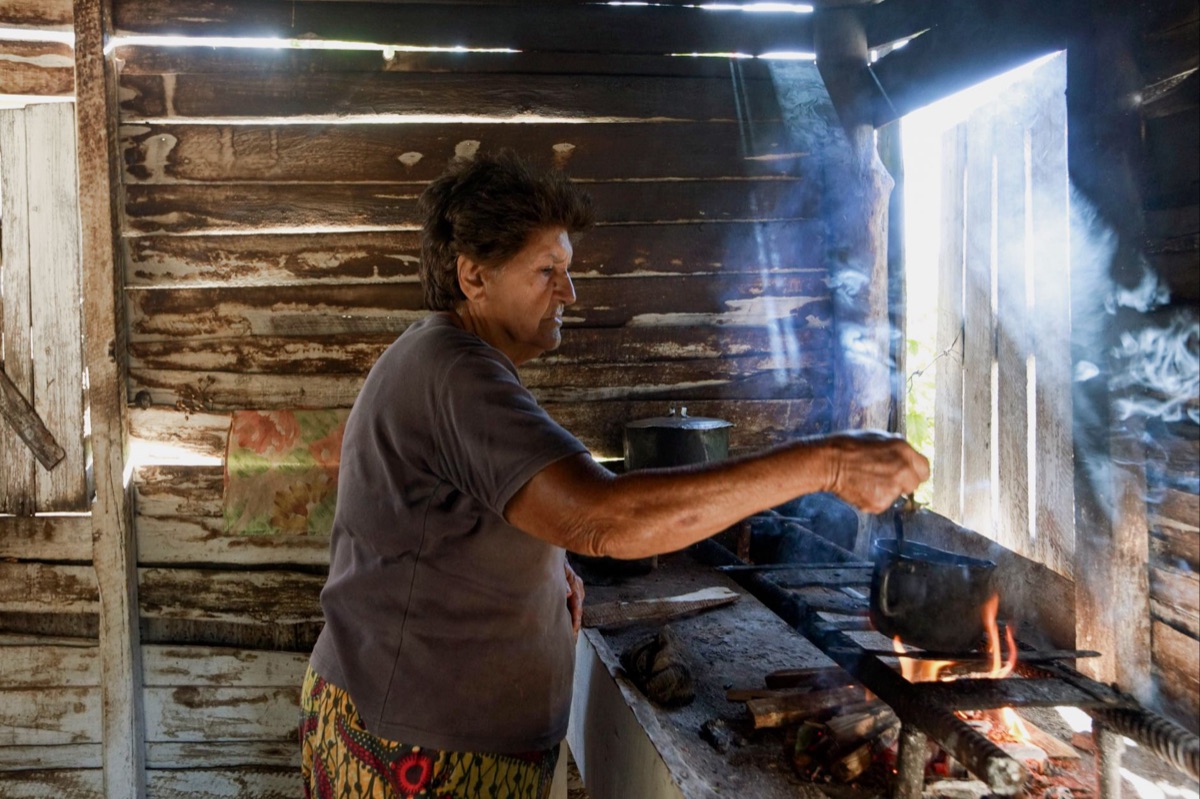
A dusty road leads to a brightly colored shack in the Out Islands, where the smell of simmering spices wafts through the open windows. Inside, locals sit on mismatched chairs, waiting for a bowl that tastes exactly like home.
To find the most authentic versions of conch stew, you must look beyond the polished marble of the major tourist hubs.
In the local villages of the Exumas or Eleuthera, small family-run eateries offer the "real deal." These spots focus on freshness and traditional spice profiles rather than presentation.
You will often find the stew served with thick slices of crusty bread or boiled green bananas to soak up every last drop of the broth. In contrast, luxury properties in Nassau or on private islands provide an elevated dining experience.
Here, the stew might be paired with a crisp white wine or served as a refined starter. While the setting is different, the core ingredients remain the same.
For a perfect meal, look for pairings that complement the richness of the stew. Fried plantains provide a sweet, caramelized contrast, while a side of rice and peas adds a satisfying texture.
In community gatherings, food is the social glue, and sharing a large pot of stew is a common way to celebrate local life.
However, knowing where to go is only half the battle; you also need to know what else to look for on the menu.
Beyond the Stew: A tour of Bahamian Coastal Cuisine
The morning market is a riot of color, with piles of bright yellow mangoes and deep red peppers clashing against the blue of the sky. Vendors call out to passersby, offering tastes of the islands' bounty.
While conch is king, the Bahamian palate is diverse. Saltfish, often paired with sautéed vegetables, is a breakfast staple that provides a salty, savory kick. Ackee and saltfish—where the creamy, scrambled texture of the ackee fruit meets the savory fish—is perhaps the most famous national dish.
The flavor profiles can shift depending on which island you are visiting. In the more remote Out Islands, you might encounter more traditional, earthy flavors, whereas Nassau-side dining often incorporates more international influences and complex spice blends.
Local produce, such as peppers, onions, and tropical fruits, plays a vital role in rounding out the coastal flavors.
When dining, remember that local etiquette is often casual but respectful. In many local spots, it is common to eat with your hands or simple utensils, and a polite "thank you" in response to the warm hospitality goes a long long way.
But how do you actually plan a trip that centers around these flavors without getting lost in the logistics?

Planning Your Culinary Journey: Dining Logistics
A travel agent's office is quiet in the morning, but the air is filled with the hum of planning. A traveler sits with a map, tracing routes between islands and marking down the names of famous eateries.
According to the World Bank, the Bahamas recorded international tourist arrivals of 1,794,500 in 2020. As we move through 2026, the influx of travelers seeking these specific culinary experiences has only grown.
When planning a culinary trip, timing is everything. In the peak season, popular local spots can fill up quickly, so it is wise to arrive early for lunch to ensure you get a bowl of fresh stew. In some smaller islands, certain dishes might only be available on specific days depending on the catch.
Dietary considerations are important to keep in mind. While conch is naturally gluten-free, always check the thickeners used in stews. Spice levels can vary wildly; what is "mild" to a local might be quite spicy to a visitor. It is always helpful to ask about the heat level before ordering.
Budgeting is another key factor. A meal at a local shack might cost very little, making it an affordable way to eat well. In contrast, a fine-dining experience at a resort will come with a significant premium.
For the best value, mix your experiences: enjoy the authentic, budget-friendly local gems during the day and save the upscale dining for special evenings.
| Dining Type | Typical Setting | Flavor Profile | Estimated Cost |
|---|---|---|---|
| Local Shack | Small villages/docks | Hearty, rustic, spicy | $10 - $20 |
| Resort Dining | High-end hotels/islands | Refined, elegant, balanced | $45 - $90+ |
| Casual Cafe | Nassau/Downtown | Light, modern, fusion | $20 - $35 |
*Note: Prices are estimates and vary by island and season.*
Preserving the Taste: Dining Tips for Visitors
The wind picks up as the sun begins to set, casting long shadows across the white sand. A traveler pauses to look at the horizon, wondering which flavor to chase next.
To truly experience the depth of Bahamian cuisine, timing your visit to coincide with local festivals can be transformative. During events like Junkanoo, the energy of the islands is at its peak, and food plays a central role in the festivities.
To identify an authentic dining experience, follow this checklist:
- Check the Menu Breadth: Look for places where the menu is limited but the ingredients are fresh. A restaurant that tries to serve everything from pizza to pasta may not be focusing on the quality of its local seafood.
- Observe the Sourcing: Authentic spots usually let the seasonal catch dictate the menu. If they have the same thing every single day regardless of the weather, it might not be fresh.
- Look for Local Staples: Ensure they serve traditional accompaniments like boiled green bananas or local bread.
- much as you enjoy the food, respect the environment. In sensitive areas, follow local guidelines regarding seafood sourcing and waste.
It is important to note that while conch is a staple, it is not for everyone. Those with sensitivities to shellfish or those who prefer very soft textures may find the firm, chewy nature of conch challenging.
Additionally, the high acidity and spice levels in some traditional recipes may not suit sensitive stomachs.
#






Comments 0