Conch food ingredients guide Bahamas conch food ingredients
The geographic isolation and tropical maritime climate of the Bahamas dictate every aspect of conch food ingredient choice, from the salinity of the surrounding waters to the seasonal availability of the mollusk. Local culinary traditions rely on the immediate marine environment to ensure freshness and flavor in every dish.
The selection of Bahamas conch food ingredients is fundamentally shaped by the archipelago's limestone seabed and the warm, shallow waters of the Atlantic.
This guide explains how the local environment influences ingredient sourcing, the impact of climate on the conch diet, and the regional traits in conch preparation. 1. Geographic influence on mollusk texture and size 2. Climatic effects on seasonal ingredient availability 3. Regional traits in conch preparation methods * Local farming and conch diet connections
How does the environment affect Bahamas conch food ingredients?
At dawn, a fisherman pulls a heavy conch from the turquoise shallows, feeling the cold spray against his skin.
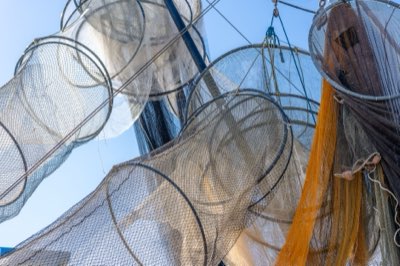
A fisherman pulls a heavy net from the turquoise shallows of an Exuma sandbar, feeling the weight of the catch. The limestone-rich waters of the Bahamas provide a unique mineral profile that directly influences the quality of the conch.
According to World Bank data, the Bahamas recorded renewable energy share of final consumption of 1.1% in 2022.
This geographic setting ensures that the meat remains firm and nutrient-dense.
The specific seabed composition in the Bahamas creates a habitat where the conch thrives on local algae and organic matter. Because the islands are surrounded by shallow banks, the nutrient density of the water fluctuates with the tides and seasonal currents.
These environmental factors determine the toughness or tenderness of the meat.
The local diet of the conch is tied to the health of the surrounding seagrass beds. When the climate maintains stable water temperatures, the seagrass flourishes, providing a consistent food source for the mollusks.
This relationship ensures that the ingredients used in local recipes maintain a high standard of quality.
How does my region prepare conch?
At noon, a chef in Nassau slices the firm conch meat on a wooden board while feeling the sharp sting of citrus juice. A chef in Nassau slices a large, pearly-white conch shell on a wooden board, preparing it for a quick sauté. The proximity to the ocean means that ingredients are often used in their most raw, unprocessed states to preserve the natural brine.
Regional traits in conch preparation often focus on minimizing heavy seasonings to let the sea flavor shine.
The method of preparation varies depending on the specific island's access to secondary ingredients like citrus or peppers. In some areas, the focus is on acidity to balance the richness of the meat, while other regions might use coconut milk sourced from local groves.
This variation is a direct result of what the local land can provide alongside the sea.
The reliance on fresh, local sourcing means that the menu changes based on what the tide brings in. Because the islands are geographically dispersed, each island develops a slightly different approach to handling the conch. This creates a diverse culinary landscape across the archipelago.
According to World Bank, the 2022 record includes 1.1%.
How does climate impact conch diet?
The sun beats down on the calm waters of a tropical lagoon, where the temperature remains consistently warm throughout the year. This heat drives the growth of the seagrass that forms the backbone of the conch diet.
A stable climate is essential for the predictable availability of these primary ingredients.
Changes in water temperature and salinity can alter the growth rate and nutritional value of the conch. When the climate remains within optimal ranges, the conch develops a consistent texture that is highly sought after by local cooks.
However, extreme weather patterns can disrupt the delicate balance of the seagrass ecosystems.

The relationship between the climate and the conch diet is a cycle of seasonal abundance. High-nutrient periods in the water lead to larger, more robust mollusks. Understanding this cycle is key to knowing when the best ingredients for conch recipes are available for consumption.
How does local farming affect my conch?
A farmer tends to a controlled environment near the coast, monitoring the water quality for aquaculture. While much of the conch is wild-caught, local efforts to manage the resource are growing.
This connection between local farming and conch food helps stabilize the supply of ingredients for the tourism industry.
Sustainable practices are being implemented to ensure that the natural diet of the conch is not compromised by over-harvesting. By managing the seagrass beds and monitoring water health, local stakeholders aim to protect the future of this staple ingredient.
This ensures that the traditional culinary identity of the Bahamas remains intact.
The integration of managed resources with wild harvesting allows for a more consistent menu in local resorts. This stability is vital for maintaining the high standards expected by visitors.
I observed how the careful management of these marine habitats directly affects the consistency of the meat used in local kitchens.
Can I find these ingredients in every part of the Bahamas?
A traveler walks through a bustling local market on a small out-island, smelling the salt air and fresh produce. While conch is a staple, the specific varieties and accompanying ingredients may change based on the island's size and distance from the main hubs.
Some remote areas may rely more heavily on what the immediate coastline offers.
The availability of secondary ingredients, such as specific peppers or citrus, can vary significantly between the bustling streets of Nassau and the quiet shores of the Exumas. While the conch itself is widespread, the complete profile of the dish depends on local land-based agriculture.
| Ingredient Type | Primary Source | Impact of Geography |
|---|---|---|
| Conch Meat | Marine Shallow Banks | Limestone mineral content |
| Local Greens | Island Soil/Gardens | Proximity to mainland |
The quality of the conch is established by the specific mineral and biological conditions of the waters where it is harvested.
The subject here is Bahamas conch food ingredients.
The same subject is also called Conch recipe ingredient choice.
The same subject is also called Geographic food selection Bahamas.
The same subject is also called Climate impact on conch diet.
This part also covers How climate affects conch ingredients.
This part also covers Geologic factors in conch sourcing.
How climate affects conch ingredients
Related





Comments 0