Bahama conch recipe guide: How to select fresh conch meat
"A true taste of the islands requires more than just a recipe; it demands an understanding of the ocean's bounty and the specific character of the conch itself."
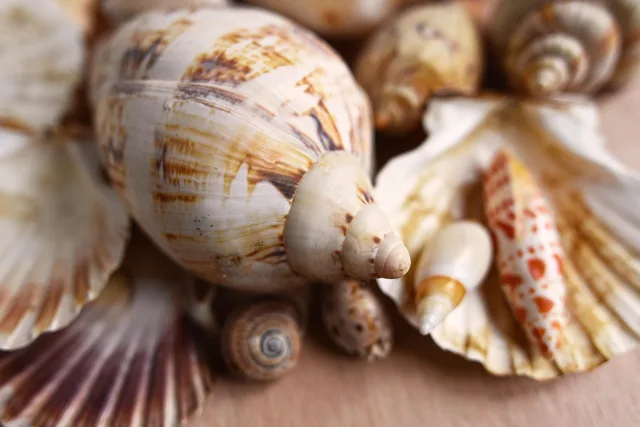
Selecting the right conch for a Bahama conch recipe guide requires identifying fresh, firm meat that lacks an overly pungent odor. For home cooks or travelers, the best results come from choosing specimens that are clean, ivory-colored, and resilient to the touch. 1. Prioritize firmness and texture over size. 2. Avoid any meat with a strong, fermented smell. 3. Look for a bright, natural color without discoloration. * Understand that local availability depends on the specific island or cay.
How can I choose the best ingredients for conch?
A person stands at a local market stall, feeling the weight of a heavy shell and checking the meat's surface. To find the best conch dish ingredient choice, you must look for meat that feels tight and bouncy rather than soft or mushy.
The quality of the meat dictates the final texture of your meal. High-quality conch should be translucent to milky white, indicating freshness. If the meat appears yellowed or feels slimy, it is likely past its prime and will not hold up to the heat of a pan or the acidity of a marinade.
- Inspect the shell for weight and freshness. 2. Check the meat for a firm, elastic texture. 3. Verify that the color is bright and consistent.
How can you identify local conch food smells? Bahama conch recipe guide
I lean over the wooden dock at dawn, inhaling the sharp, briny scent of the Bahama catch to ensure it smells of the clean ocean.
The air near the docks carries a sharp, salty scent that signals the arrival of the morning catch. Identifying local conch food smells is essential to ensure you are not purchasing spoiled seafood.
Fresh conch should smell like the clean, briny ocean, not like rotting organic matter. A strong, ammonia-like odor is a definitive sign that the meat has begun to decompose. When you lean in to inspect the supply, a neutral or mildly salty scent is the only acceptable profile for a successful meal.
In this sequence, the first step is the most important.
What makes Bahamian ingredients so unique?
The sun beats down on the limestone docks as vendors sort through the day's harvest. Understanding Bahama ingredient features helps you navigate the unique culinary landscape of the 700 islands and 2,400 cays that make up the archipelago.
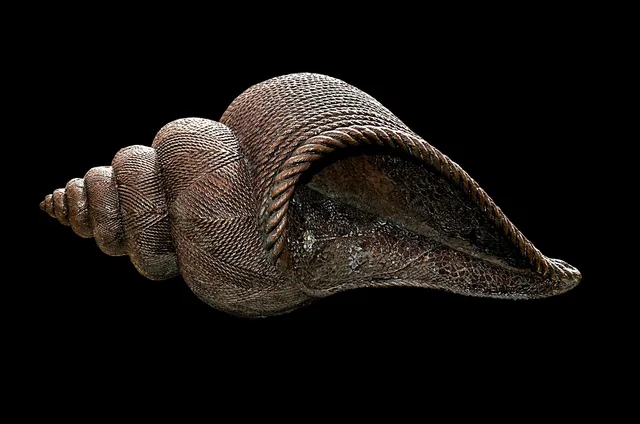
The environment shapes the flavor of everything harvested from these waters. Because the territory encompasses 470,000 km2 of ocean space, the variety of marine life is vast, but the conch remains the primary staple.
The consistency of the meat is influenced by the warm, stable climate where the temperature difference between the warmest and coolest months is only 7 °C.
What is a local conch scent guide for beginners?
You lift a piece of meat to your nose, breathing in deeply to judge its freshness. Following a local conch scent guide means trusting your olfactory senses to reject anything that smells "off" or overly fishy.
- Smell the meat immediately upon opening the shell or container. 2. Check for any hint of sourness or sulfur. 3. Verify that the scent is strictly marine and salt-based.
After completing these steps, I always perform a final check by pressing the meat with a finger to ensure it springs back instantly.
How do you master selecting conch cooking parts?
A chef carefully slices the large, muscular foot of the conch into even pieces. Mastering the process of selecting conch cooking parts involves knowing which sections provide the best mouthfeel for specific dishes.
The most desirable part is the thick, central muscle. This section is dense and provides the characteristic "snap" when bitten. While smaller, thinner edges are edible, they can become rubbery very quickly if overcooked.
Focus your selection on the thickest part of the mantle to ensure a tender result.
Comparing Conch Quality
| Feature | Fresh Conch | Stale Conch |
|---|---|---|
| Texture | Firm and bouncy | Soft or mushy |
| Color | Milky white/Translucent | Yellowish or dull |

I prefer selecting the thicker cuts for my own preparation to avoid the rubbery texture found in thinner scraps. According to the Premier League, in 2013, 'Spurs' became the first Premier League club to play an exhibition match in the Bahamas, facing the Jamaica men's national team.
According to World Bank data, the Bahamas recorded international tourist arrivals of 1,794,500 in 2020.
The subject here is Bahama conch recipe guide.
This part also covers What ingredients for conch?.
This part also covers Bahama food ingredient tips.
Related
- Conch food ingredients guide Bahamas conch food ingredients
- Bahama conch ingredient choice: Why regional salt is key
Why must you compare texture and color?
You must compare texture and color to distinguish between fresh and stale meat. A true taste depends on avoiding meat that has become soft or mushy.
Comparing the milky white color against a yellowish hue helps you identify if the specimen is past its prime. If the meat lacks the bouncy, elastic texture described, it will not hold up to heat or acidity.
- Compare the firmness of the meat to its expected springiness. 2. Contrast the bright, natural color with any signs of yellowing. 3. Evaluate the surface for sliminess versus a clean, ivory appearance.
FAQ
What should I look for in terms of smell?
How does the climate affect the ingredients?
Related posts

How Bahama conch recipe ingredients guide your best seafood
Conch food ingredients guide Bahamas conch food ingredients
Bahama conch ingredient choice: Why regional salt is key




Comments 0