Nassau pirate history guide: How to view pirate lore
This guide explores the historical roots of the Nassau pirate history guide to understand how maritime legends shape modern travel. Visitors can navigate the transition from colonial skirmishes to a vibrant tourism economy, though the experience is limited to historical interpretation rather than archaeological certainty.
The Bahamas offers a complex tapestry of maritime history and modern leisure, ranging from the influx of Loyalists to the massive scale of the ocean.
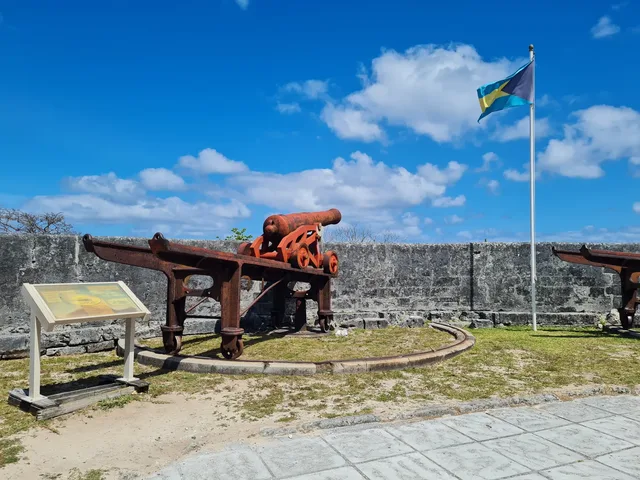
Travelers can find a connection between past seafaring life and the current economy, which saw 1,794,500 international tourist arrivals in 2020 according to World Bank data.
Key takeaways include: 1. The vast maritime territory of the region. * Historical shifts following US independence. * The current scale of international tourism. * The ecological and physical characteristics of the islands.
How does the Nassau pirate history guide connect to the landscape?
The sun beats down on the turquoise waters surrounding the vast archipelago. To understand the Nassau pirate history guide, one must first look at the sheer scale of the territory being navigated.
The Royal Bahamas Defence Force describes the Bahamas' territory as encompassing 470,000 km2 (180,000 sq mi) of ocean space.
This immense expanse provided the perfect environment for historical maritime activity. The region consists of some 700 islands and 2,400 cays in total. Of these, only 30 are inhabited, leaving vast stretches of the 10,010 km2 (3,860 sq mi) land area for various historical developments.
What defines the Bahamas pirate lore modern view?
A traveler walks through the narrow streets of a colonial town, feeling the warmth of the tropical air. The pirate lore modern view is often a blend of historical reality and romanticized storytelling.
This cultural spotlight on Nassau lore helps visitors connect with the era of privateers and sailors.
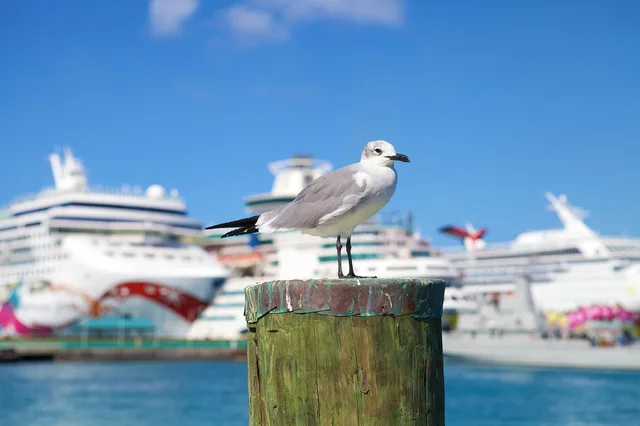
The historical context is rooted in significant migrations. After US independence, the British resettled some 7,300 Loyalists with their African slaves in the Bahamas.
This group included 2,000 from New York, at least 1,033 Europeans, 2,214 African descendants, and a few Native American Creeks from East Florida.
How does the Bahamas history tourism impact the region?
A bright yellow taxi cruises along a coastal highway under a clear sky. The Bahamas history tourism sector is a primary driver for the local economy, bridging the gap between historical study and leisure. This is evident in the sheer volume of visitors interacting with the local culture.
According to World Bank data, the Bahamas recorded international tourist arrivals of 1,794,500 in 2020. The sheer volume of people moving through the islands demonstrates how much the region relies on these historical and natural attractions.
How do travelers experience revisiting pirate culture?
A group of tourists gathers near a weathered stone monument to hear a local guide. When revisiting pirate culture, many visitors look for connections to organized sports or modern events.
In 2013, 'Spurs' became the first Premier League club to play an exhibition match in the Bahamas, facing the Jamaica men's national team.
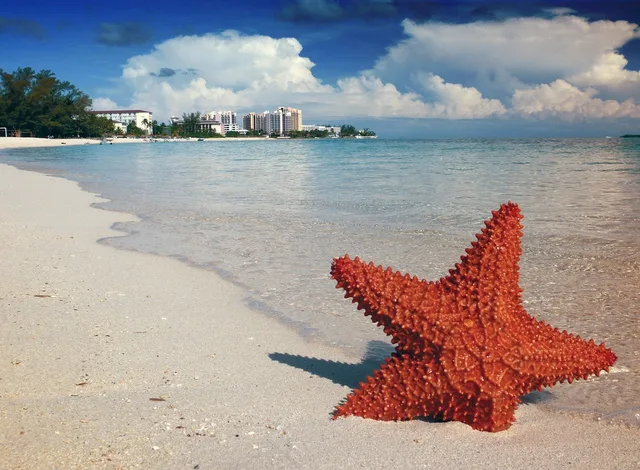
This demonstrates how the islands serve as a hub for international engagement. While the pirate lore modern view might focus on the 18th century, the region's role as a meeting point for global travelers continues through major sporting events.
How does the climate affect the Nassau historical link?
The breeze carries the scent of salt spray across a quiet beach at dusk. The Nassau historical link is deeply tied to the environment, which remains remarkably consistent. There is only a 7 °C (13 °F) difference between the warmest month and coolest month in most of the Bahama islands.
The islands are often sunny and dry for long periods. They average more than 3,000 hours or 340 days of sunlight annually. This predictable weather facilitates the constant movement of people and historical study.
What are the environmental conditions of the islands?
A scientist observes the slow accumulation of sediment on a shallow reef. The physical foundation of the islands is shaped by ancient geological processes. The 6.4 km (4.0 mi) thick limestones, which predominate in the Bahamas, date back to the Cretaceous.
The following table compares the scale of the land and sea:
| Feature | Measurement |
|---|---|
| Ocean Space | 470,000 km2 |
| Total Land Area | 10,010 km2 |
I observed how the limestone structure supports the entire region. The process of sedimentation from the carbonate factory of each bank or atoll continues today at a rate of about 20 mm (0.79 in) per kyr.
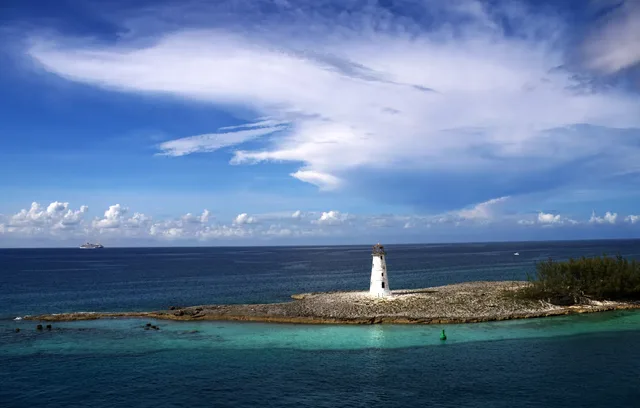
To properly navigate the local geography, follow these steps: 1. Identify the specific island or cay you intend to visit. 2. Check the local temperature, noting that low temperatures can fall below 10 °C (50 °F) for a few hours during rare cold outbreaks. 3.
Verify the water depth and maritime boundaries provided by local authorities.
The environment is generally stable, as there has never been a frost or freeze recorded in the Bahamian Islands.
- How does the Nassau pirate history guide connect to the landscape?
- What defines the Bahamas pirate lore modern view?
- How does the Bahamas history tourism impact the region?
This part also covers Tourism impact on pirate tales.
Pirate history and modern travel
Related
FAQ
How many islands make up the territory?
Related posts
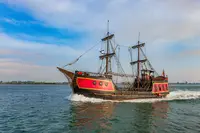
Nassau pirate history guide: Why this island shaped culture

Naso pirate history guide: How to see past maritime culture
Pirate culture modern view: Why visit islands today




Comments 0